A limited documentary series · 3 × 60′
Dezi
The hunt for Australia's most wanted man
The chase lasted 217 days. The making of the man took a lifetime.
Two officers dead. One fugitive in the high country. And a question no one asked in time.
26 August 2025 · Porepunkah, Victoria
A cold, overcast morning in the Victorian High Country.
Mid-morning
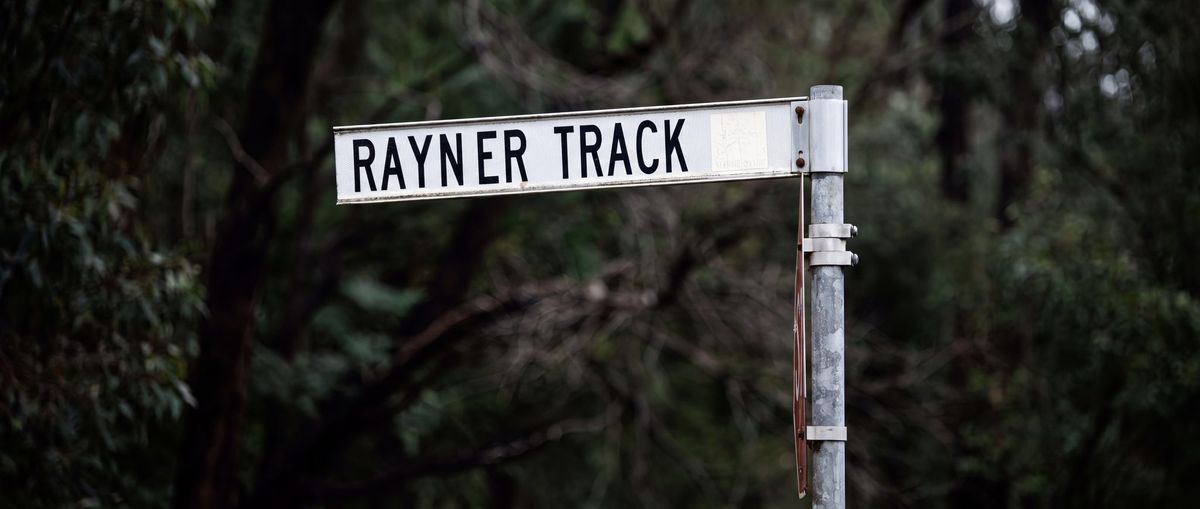
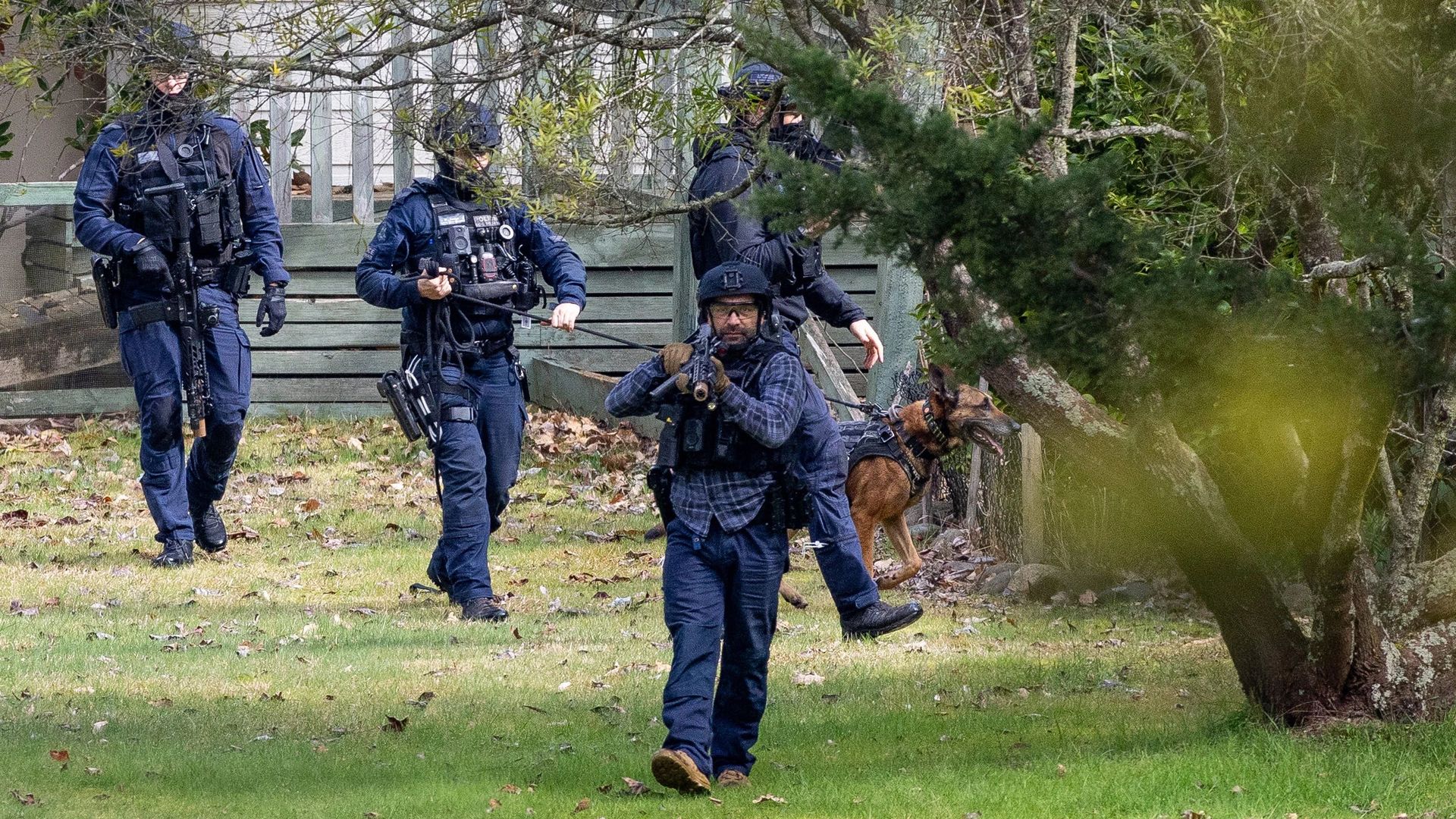
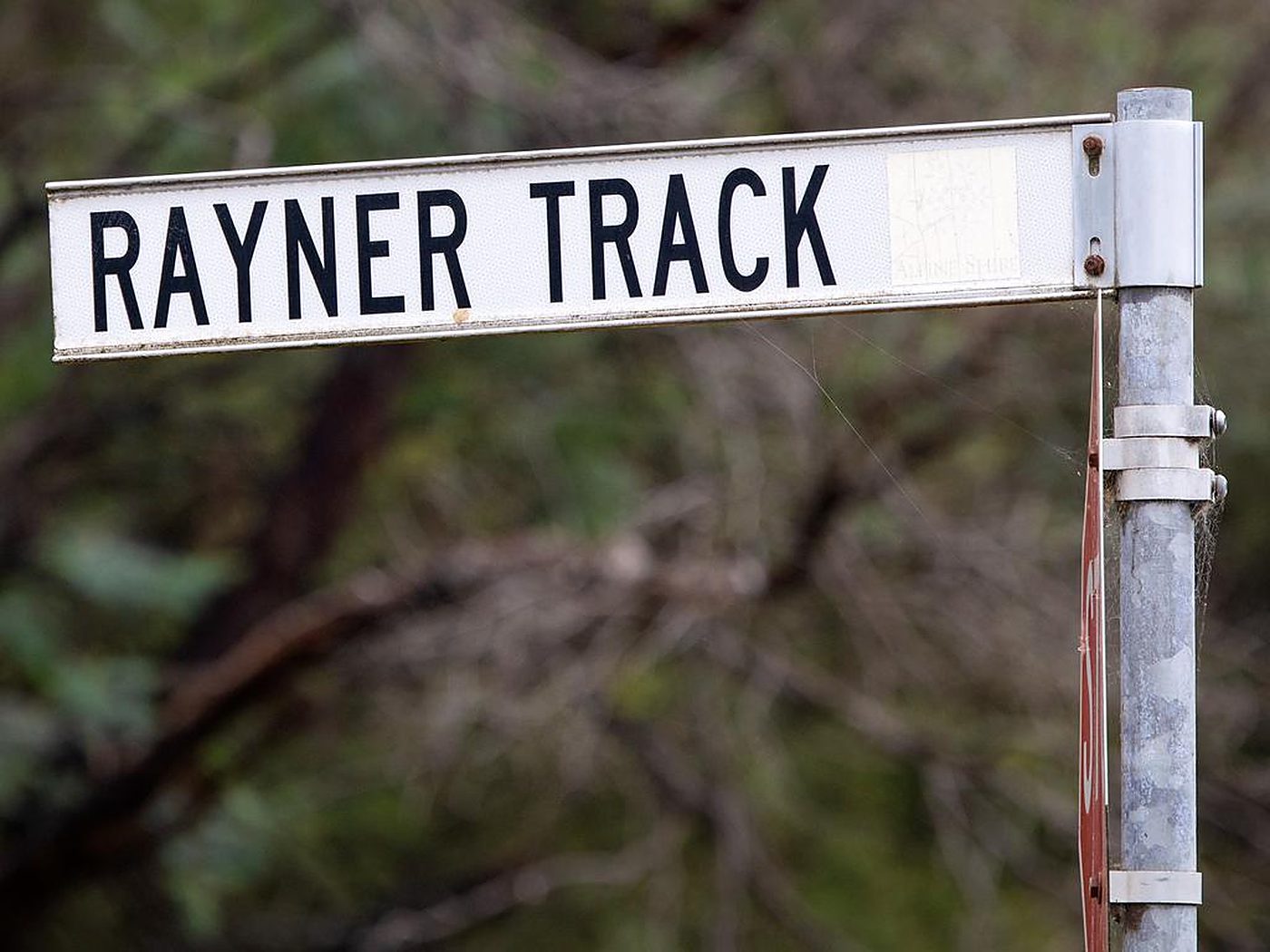
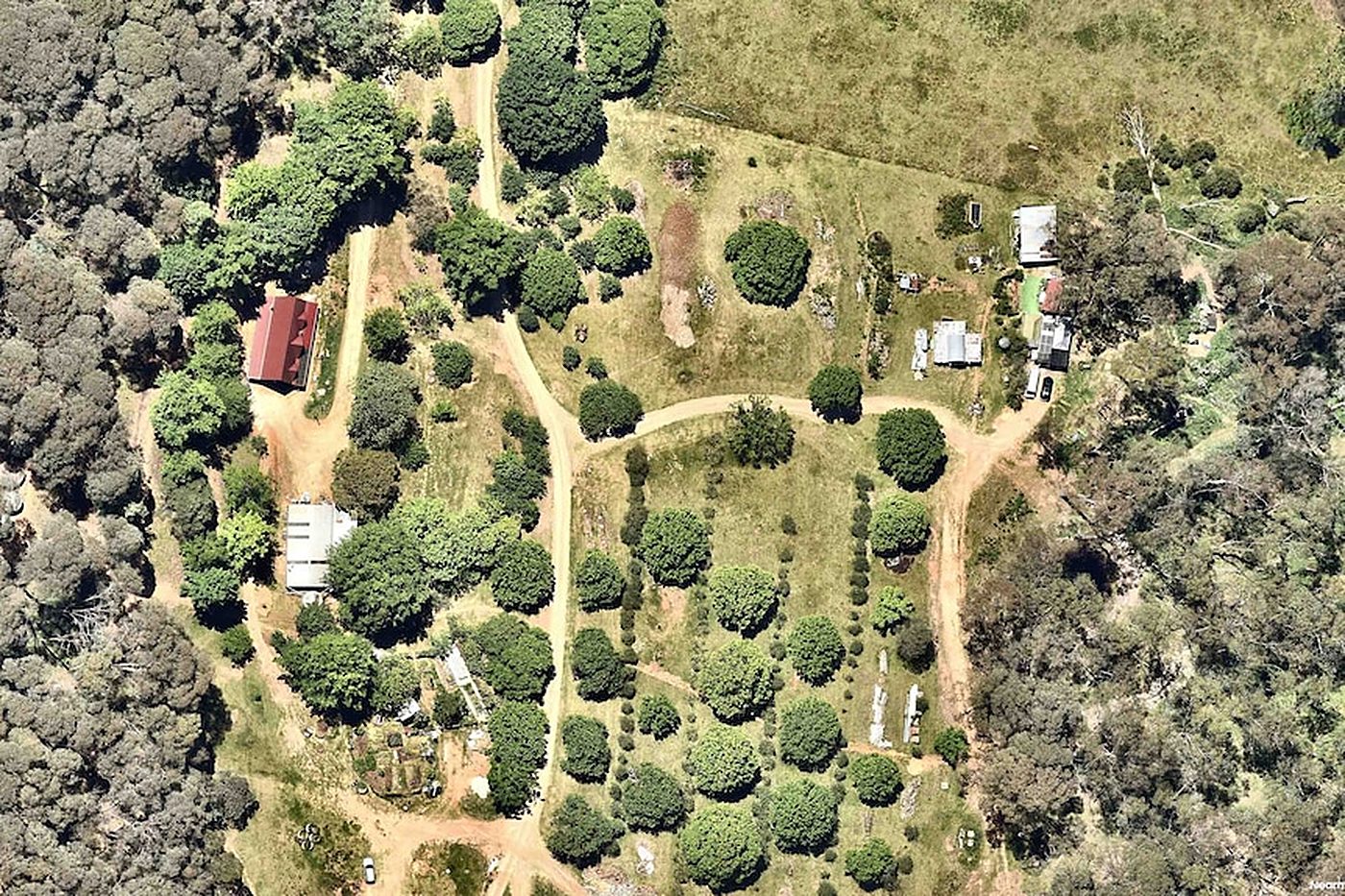
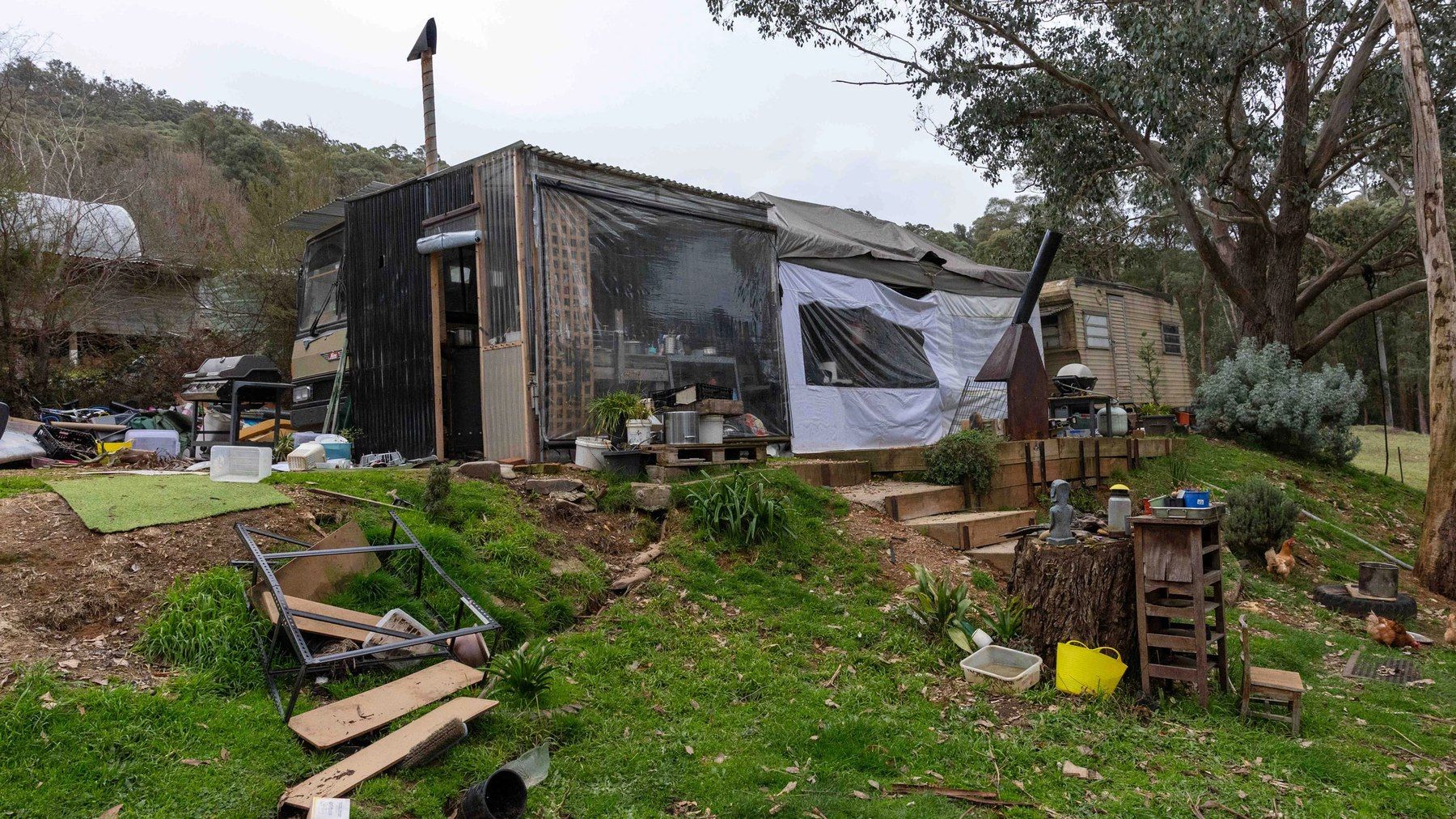
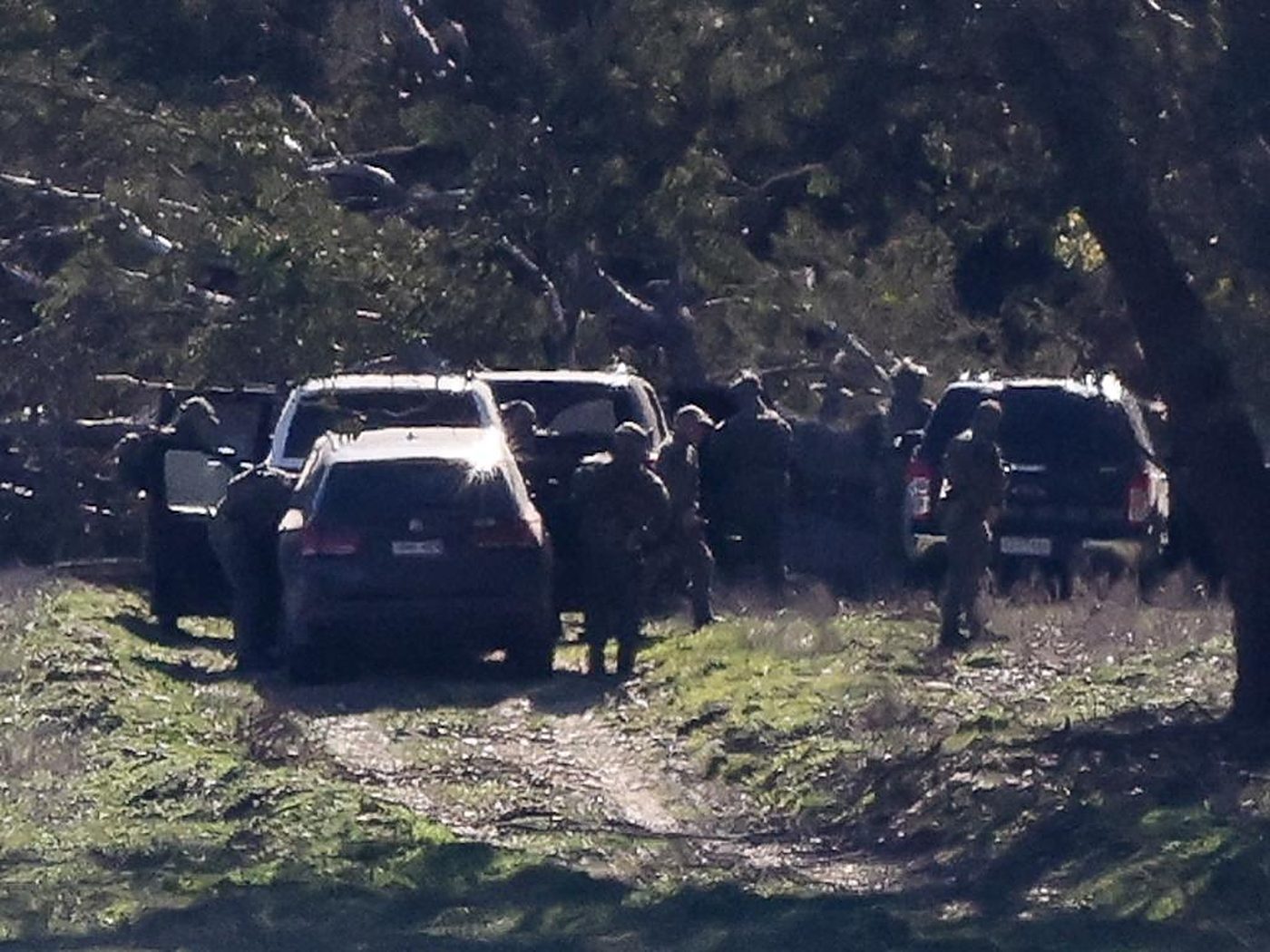
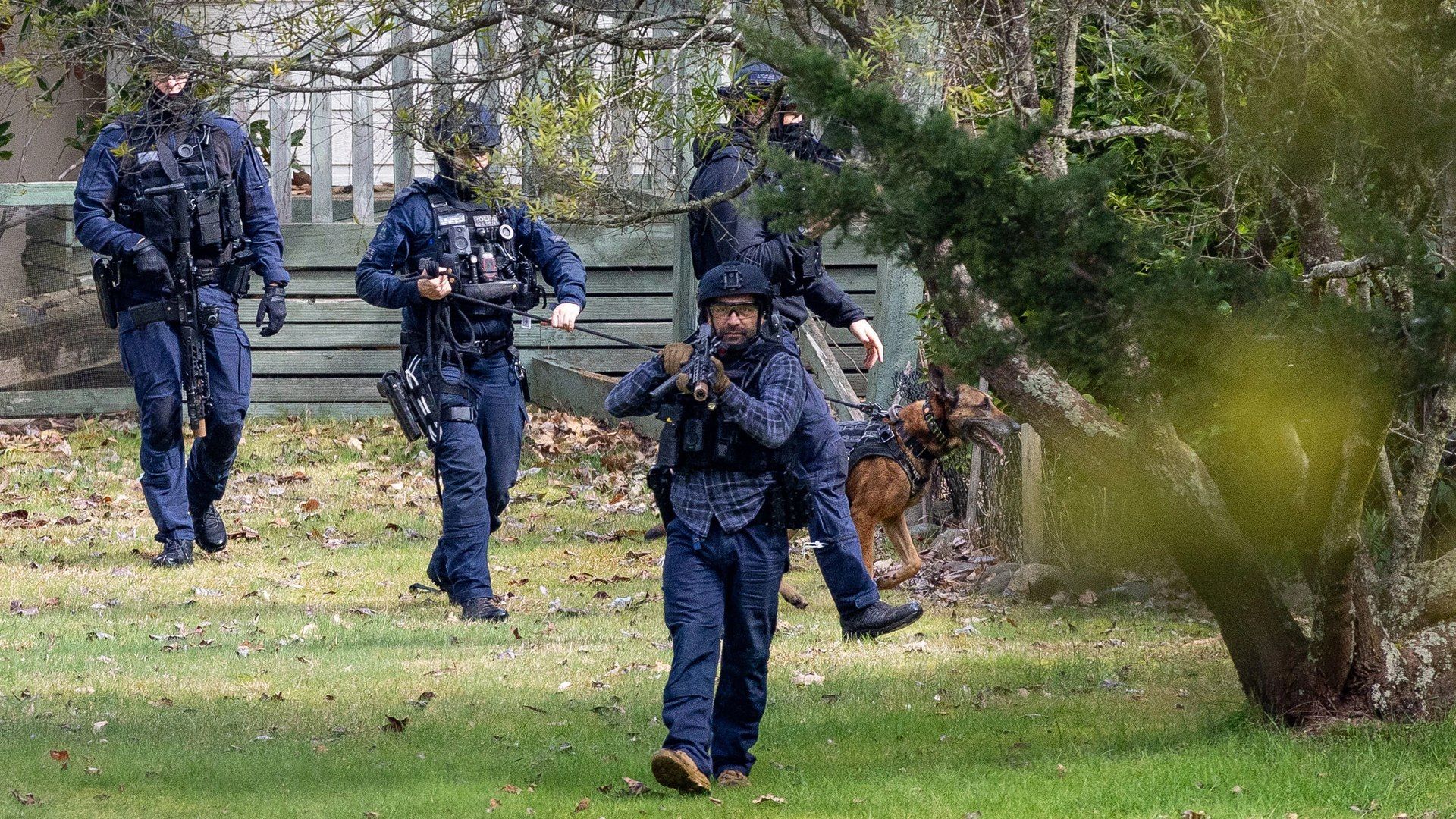
Ten officers walk up a farm track to serve a warrant on a man who lives in a bus.
Minutes later
Two of them are dead. A third is bleeding. The man who fired is gone.
On foot · unarmed no longer
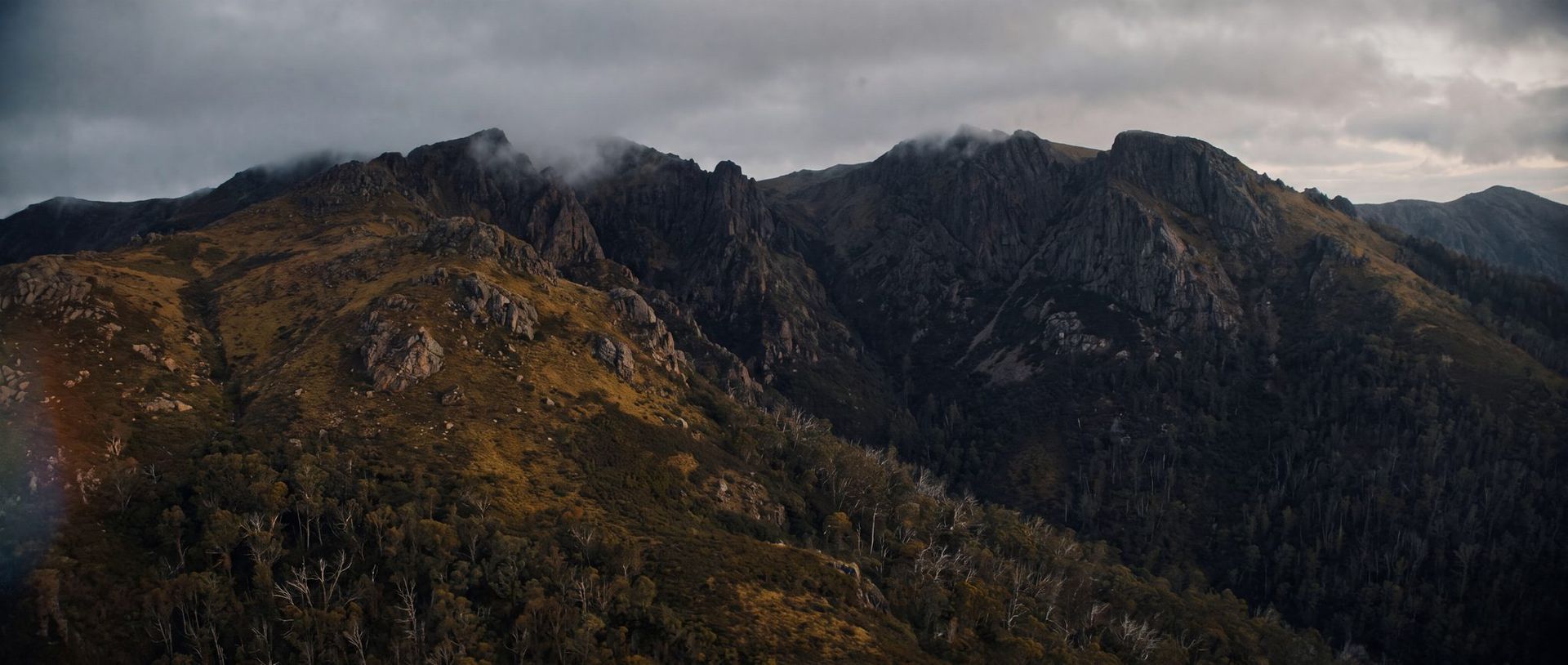
Into country he knows better than anyone alive.
216 nights, watched from above
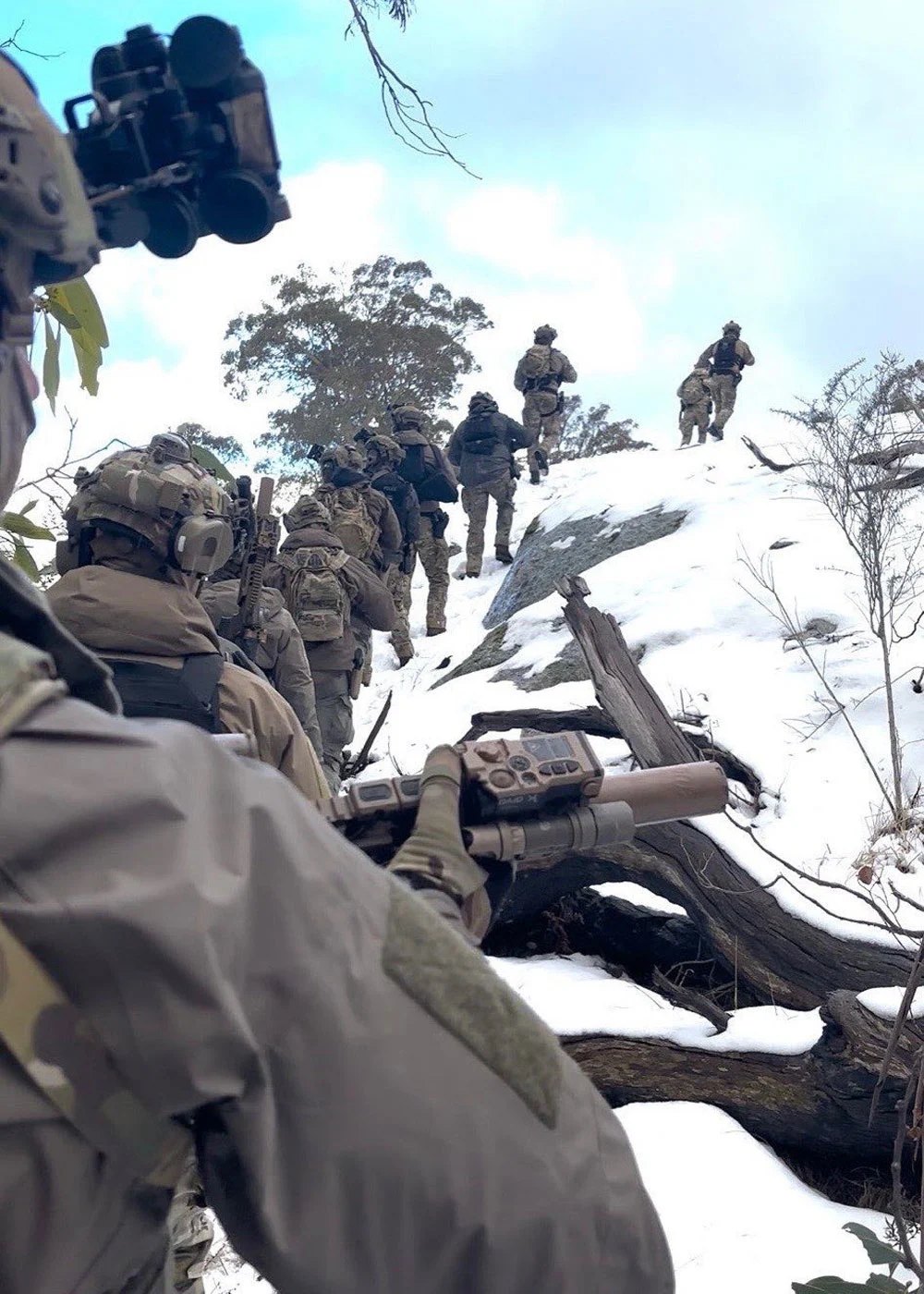
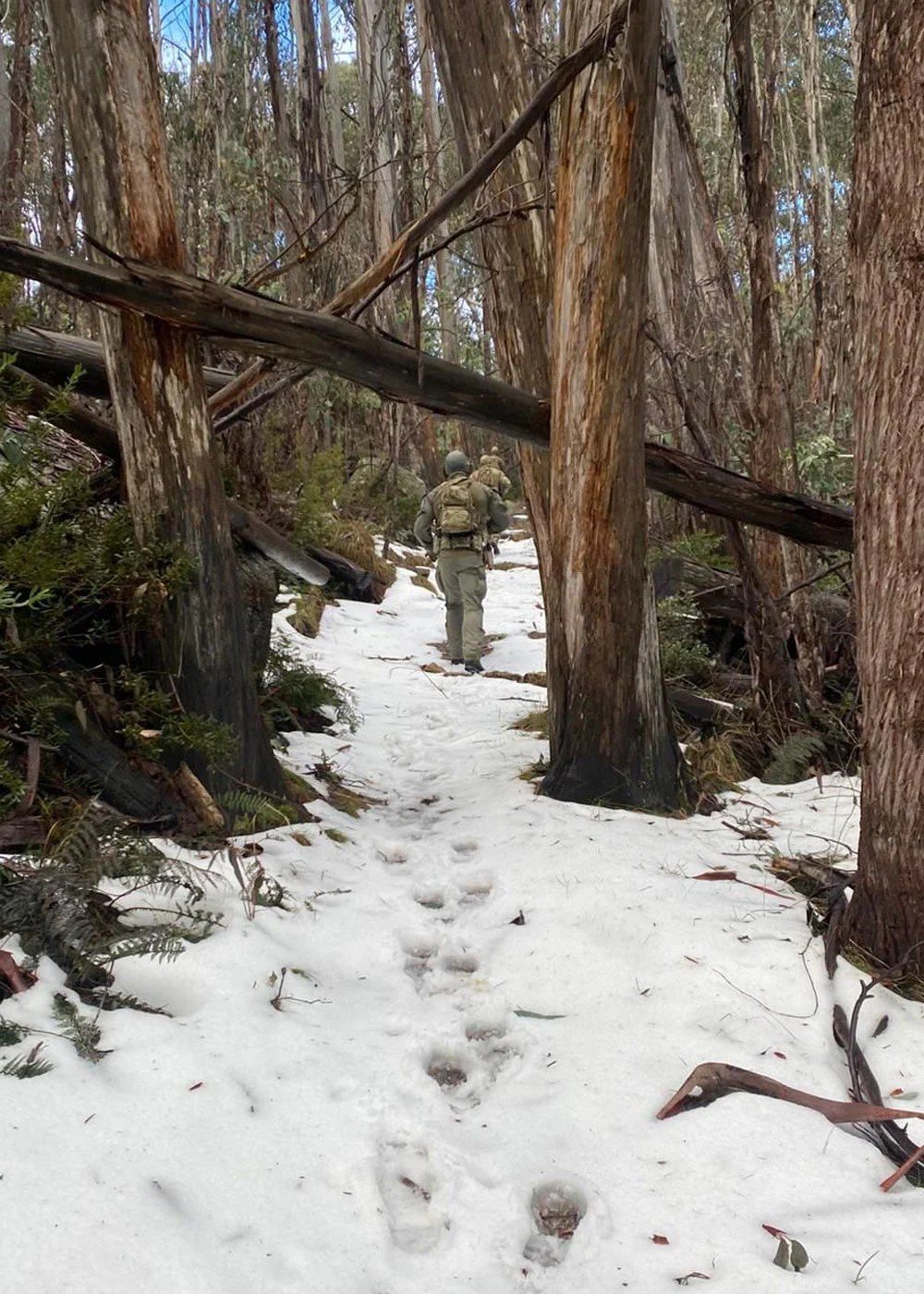
The largest manhunt in Australian history looked down at the trees.
The answers were never up there.
The central reframe
The chase was never the story
For 217 days the country watched helicopters over one valley: the biggest search in its history, the biggest reward in Victorian history, live crosses from a town of a few hundred people. Everyone watched where he went. Almost no one asked where he came from.
Australia watched the manhunt. This series watches the man being made.
The manhunt is the surface. Beneath it: five years of warnings, a doctrine moving through the valleys, a family inside a bus, and a system that saw him coming and could not stop him.
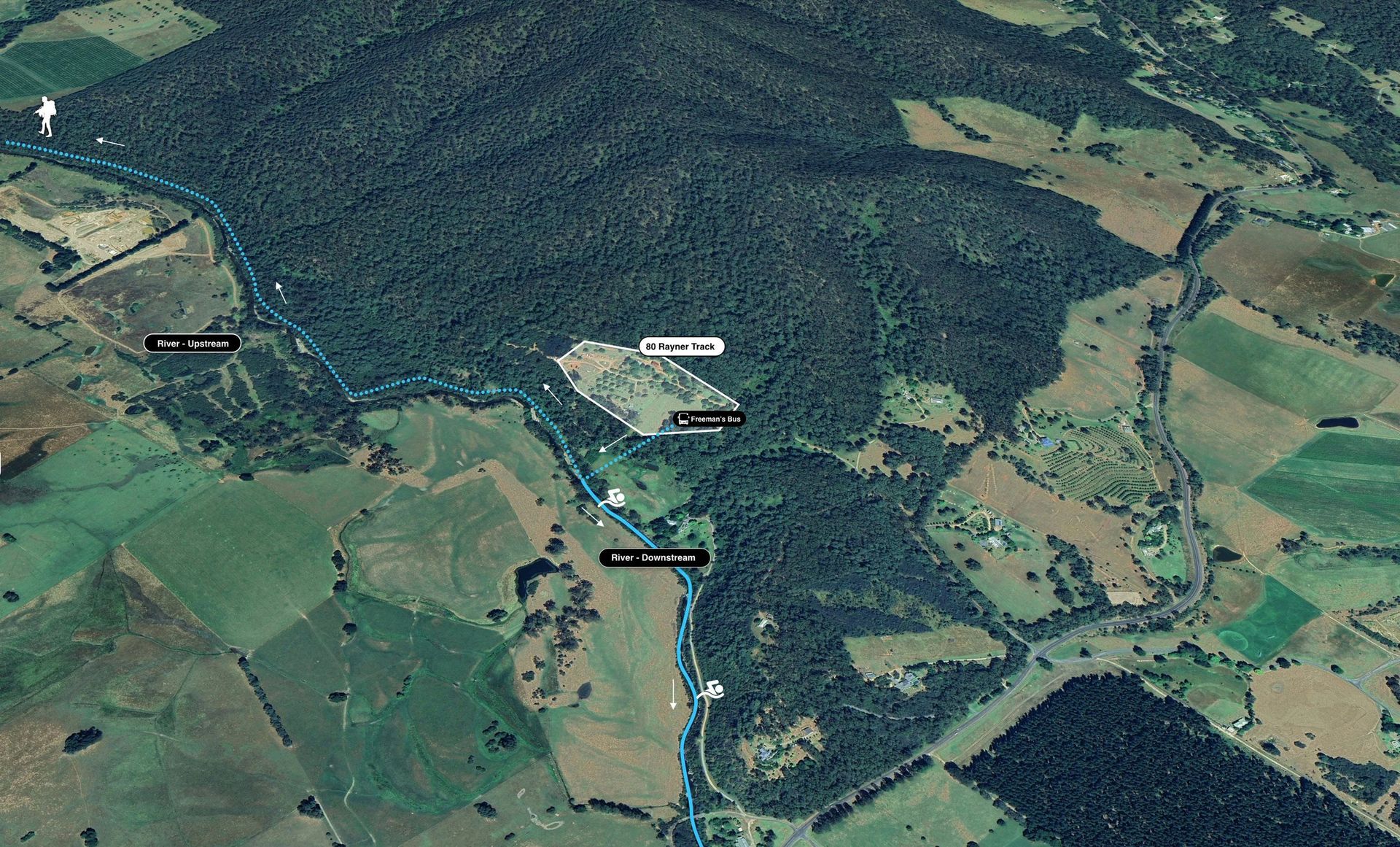
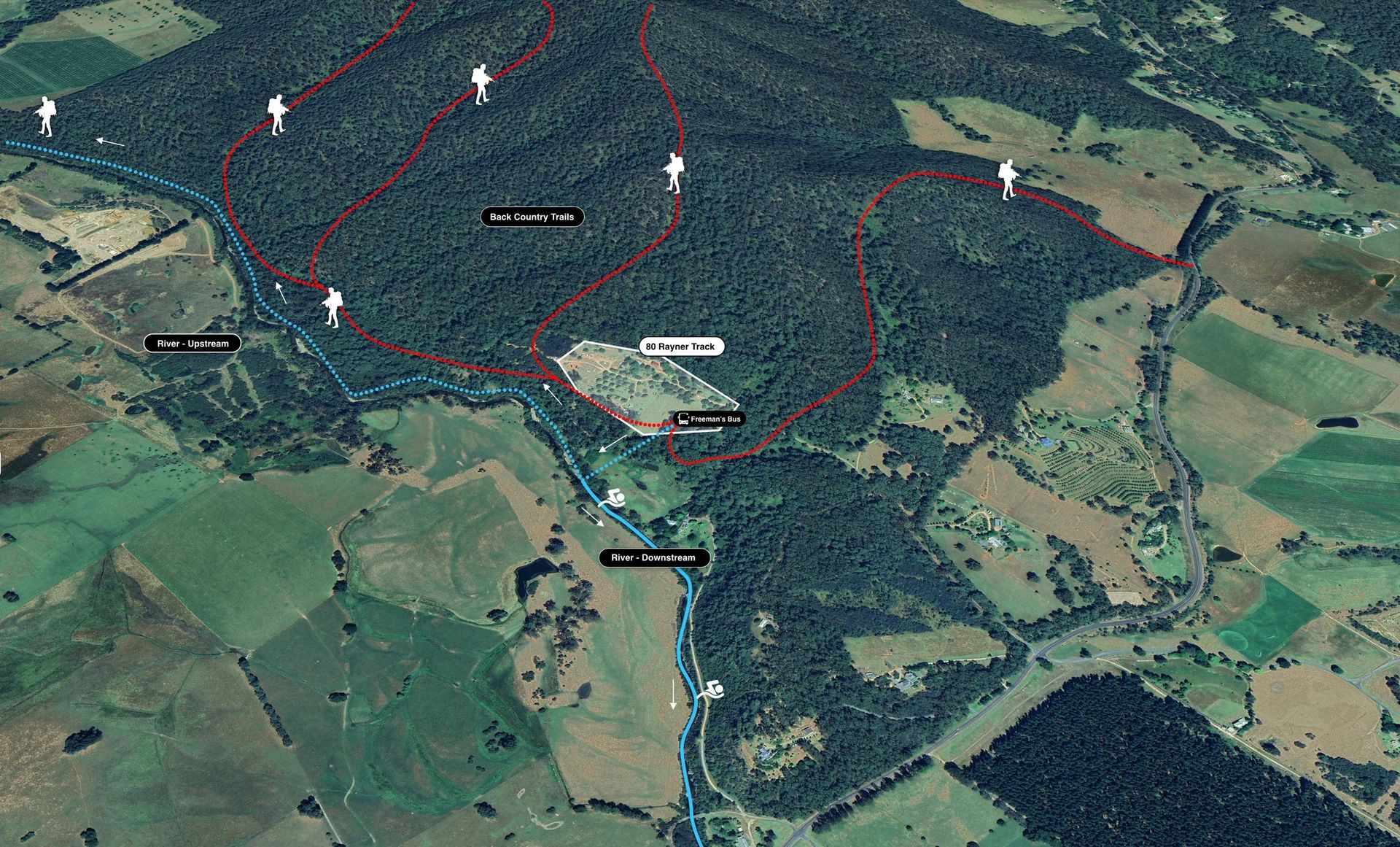
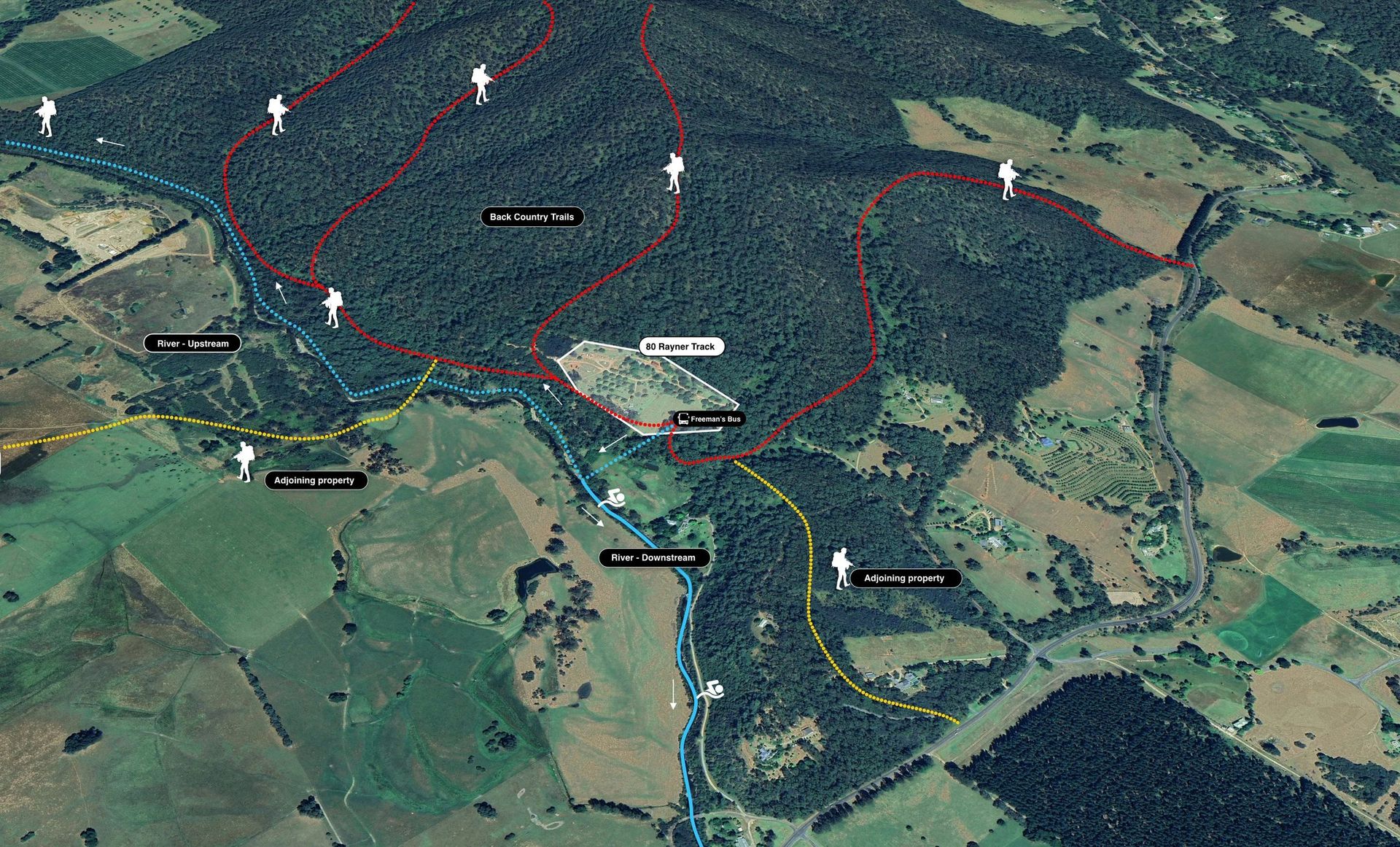
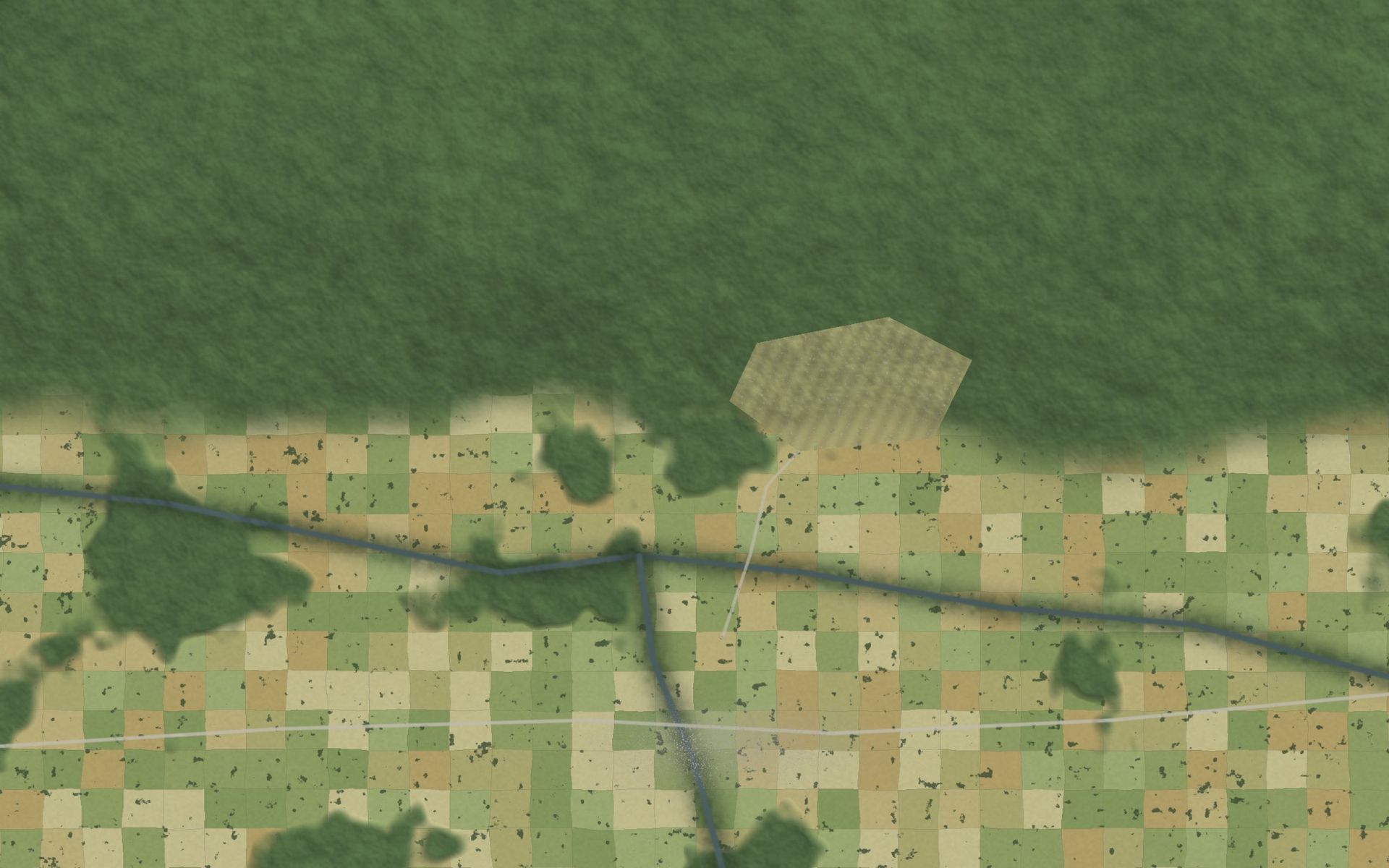
Diagram stylised · not to scale · locations per public record
Series pitch · logline
How does an obscure bushman become the most wanted man in Australian history?
On a cold morning in August 2025, a self-declared free man shot two police officers dead at his own front door and vanished into the mountains he had known since boyhood. DEZI is the definitive account of the 217 days that followed, and the lifetime that led to them.
Format · 3 × 60′ limited series. A developed 6 × 60′ expansion is available.
Engine · Filmed in the present tense, as two coronial inquests write the ending.
DEZI opens inside the largest manhunt Australia has ever mounted: five hundred searchers, armoured vehicles in farm lanes, drones over snowgum, a million-dollar reward, a town under lockdown. Then it does what the news never could. It turns around and walks back down the years, into the valleys, courtrooms and kitchen tables where an ordinary man was slowly unmade.
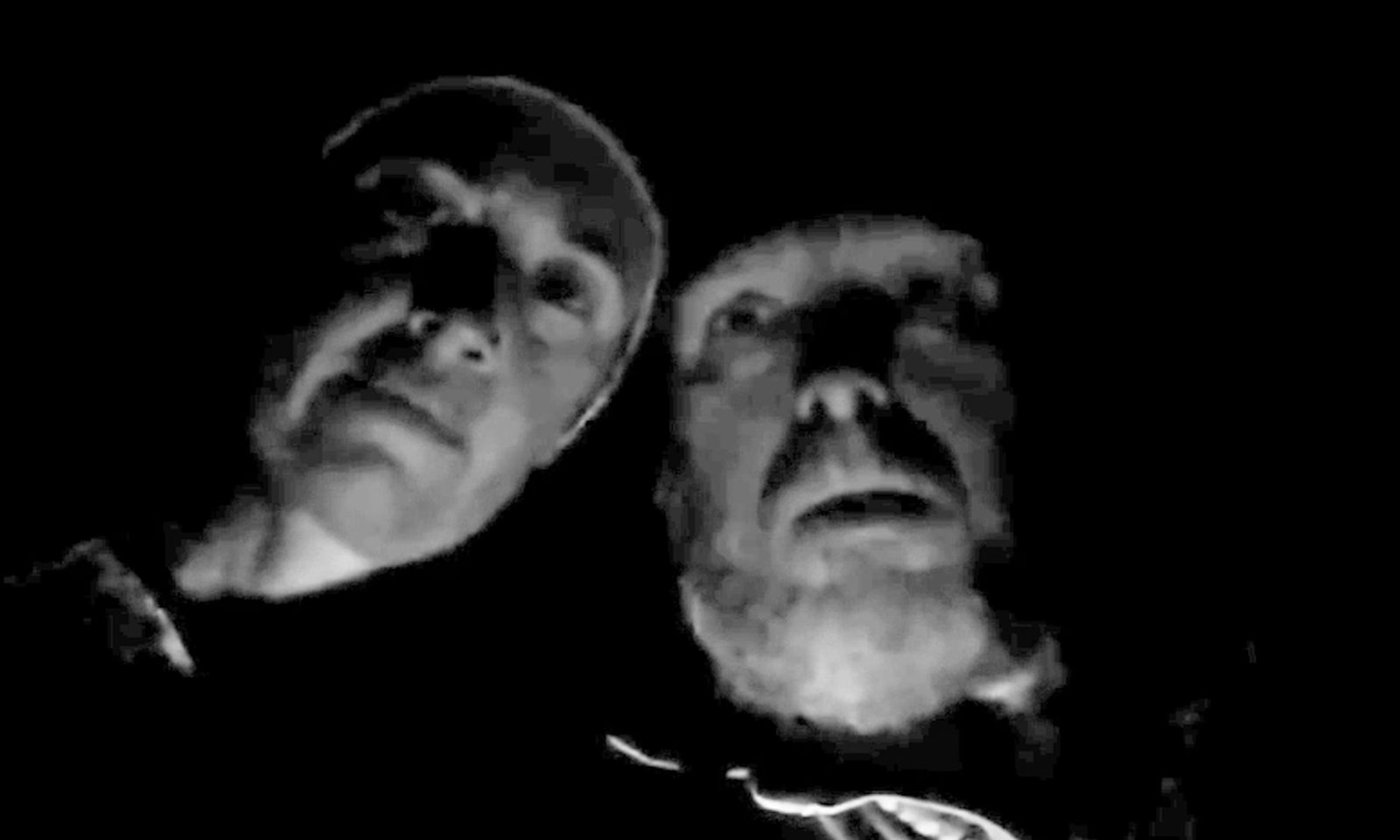
Through unprecedented access, the series is told by the people who were actually there: the farming couple whose gate the killings happened behind, the brother left to bury him, the neighbours who spent years warning that something was coming, and the searchers who spent seven months finding nothing. At its centre sits a piece of evidence the public has never seen: footage filmed inside the bus on the morning of the shootings.
This is not a folk tale and not a monster story. It is the anatomy of a radicalisation that happened in plain sight, of a warrant that went catastrophically wrong, and of a country that watched the sky for seven months because it could not bear to look at the ground.
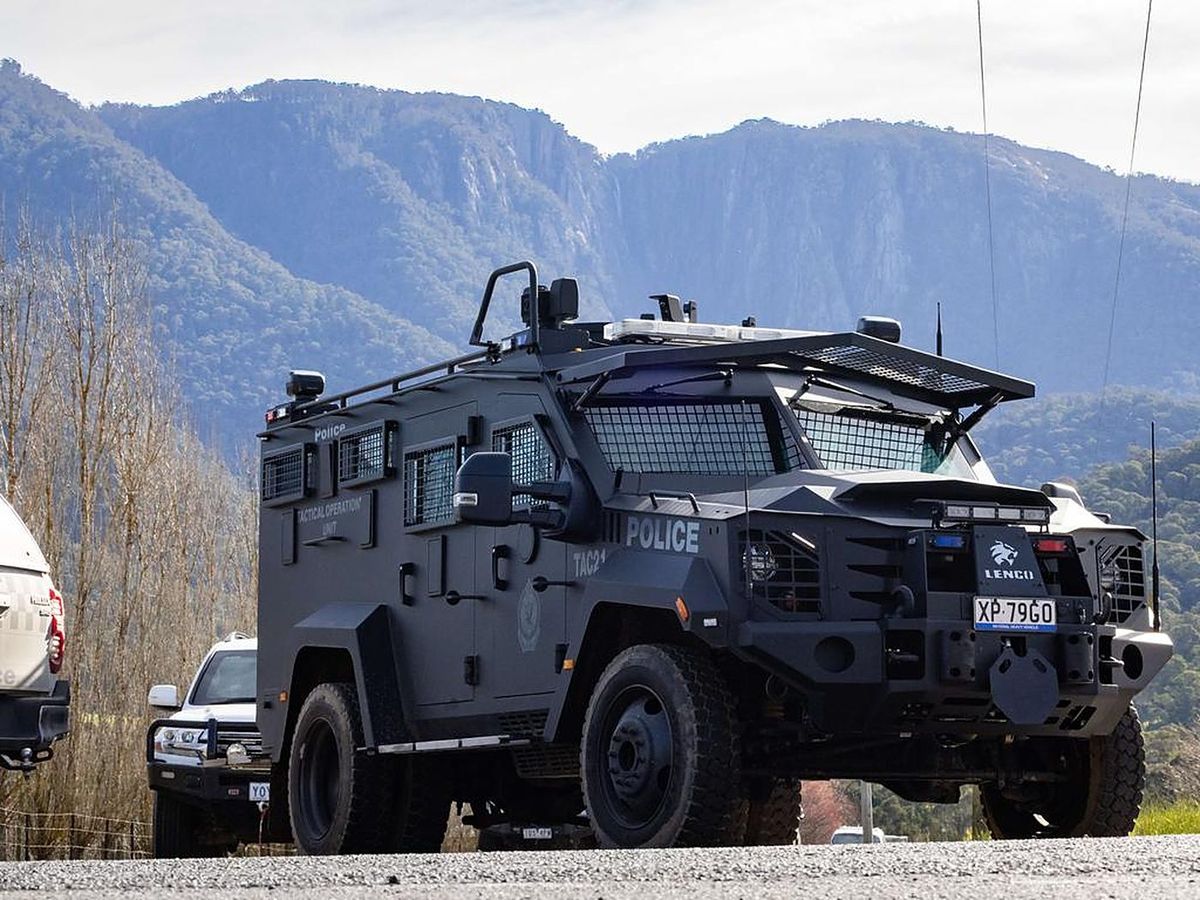
The largest police operation in Australian history came to a valley of orchards and caravan parks.
Why now
The manhunt is over. The reckoning has not begun.
Day 217. The manhunt ends at Thologolong with Freeman shot dead by police. He dies; the questions do not.
The State Coroner opens two inquests: into the deaths of the two officers, and into the death of the man who killed them. Briefs of evidence land within months.
A public inquest is expected: the warrant, the risk assessment, the 217 days and the final three hours, all on the record for the first time.
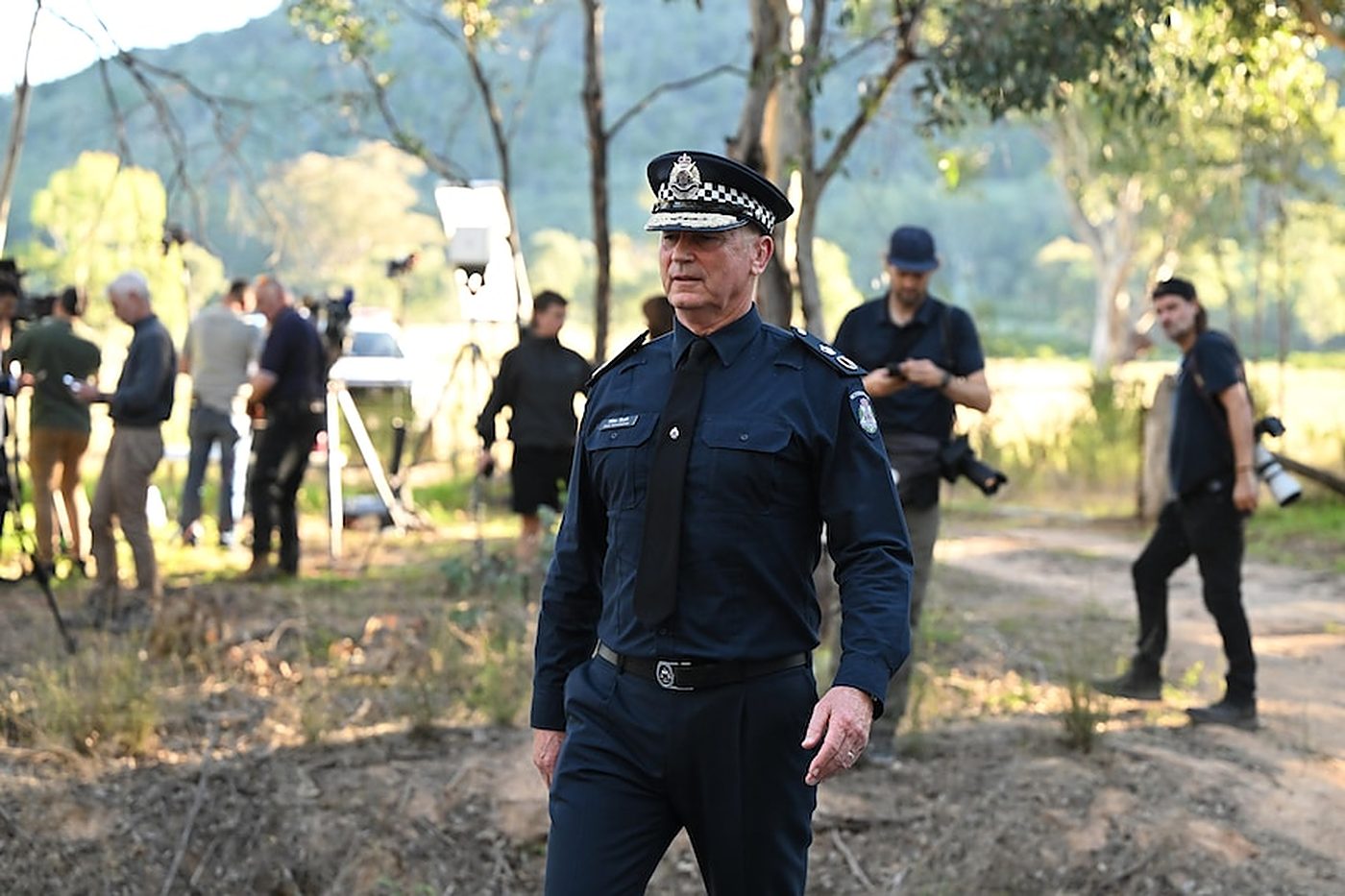
Sovereign-citizen violence is a named national threat. Wieambilla to Porepunkah took 32 months. The question in every police briefing: where is the next one already living?
The country knows how the chase ended. Nobody yet knows what it meant.
The promise of the series
Each episode begins with what Australia thinks it knows, then turns it inside out.
The ambush. The bushman. The sovereign citizen. The chase. The shorthand wrote itself within hours. This series asks the questions the shorthand buried:
How does a neighbour become the most wanted man in the country, in plain sight?
Why did a routine warrant end with two officers dead, when the warnings went back years?
When the chase is over, who is still serving the sentence?
The official version was written on Day 1. The evidence is still arriving.
A spiral that fed itself
Defiance brought penalties. Penalties proved the persecution. The persecution justified more defiance. Round and round for five years, tightening, until ten officers walked up a farm track. The engine of this series is that spiral: how belief, grievance and a broken mind wound each other into catastrophe, while everyone watched.
The moral spine of the series
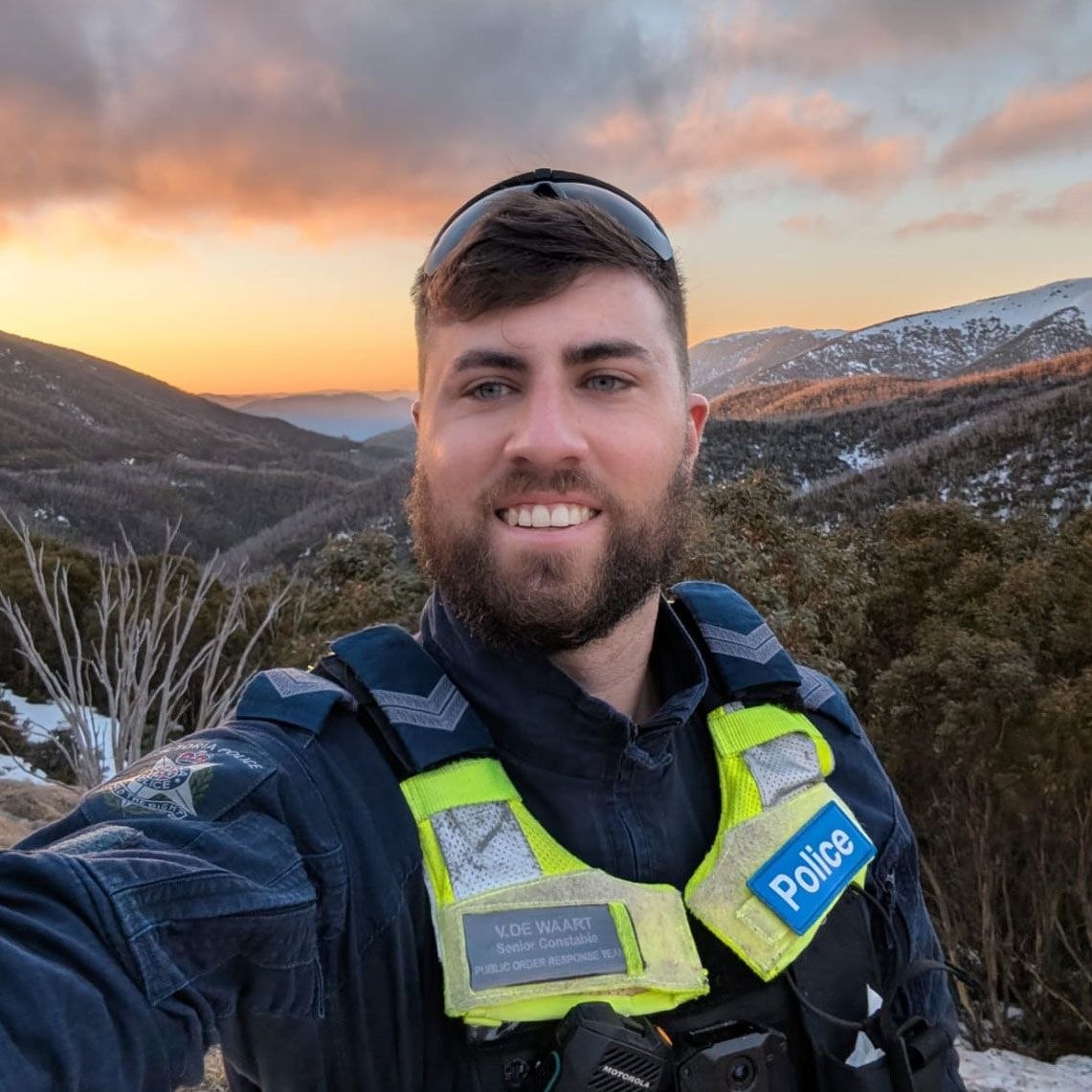
Two men went to work and did not come home.
Two lights. Touch each one.
Neal Thompson was eight weeks from retirement. He loved the same high country, the same dogs, the same quiet valleys. Vadim De Waart-Hottart was thirty-five, half a career ahead of him. They were serving a warrant. The emotional architecture of this series belongs to them, their families, and the force that buried them with full honours.
The perpetrator does not get the last word in this series. They do.


A third officer was shot and survived, dragging himself beneath the bus as the gunfire continued. A farmer lifted him into a ute by his vest and drove him through the chaos to the ambulance. Both men carry that morning still. Both have stories this series will treat with the same care.
The man who called himself free
Before he was most wanted, he was nobody at all.
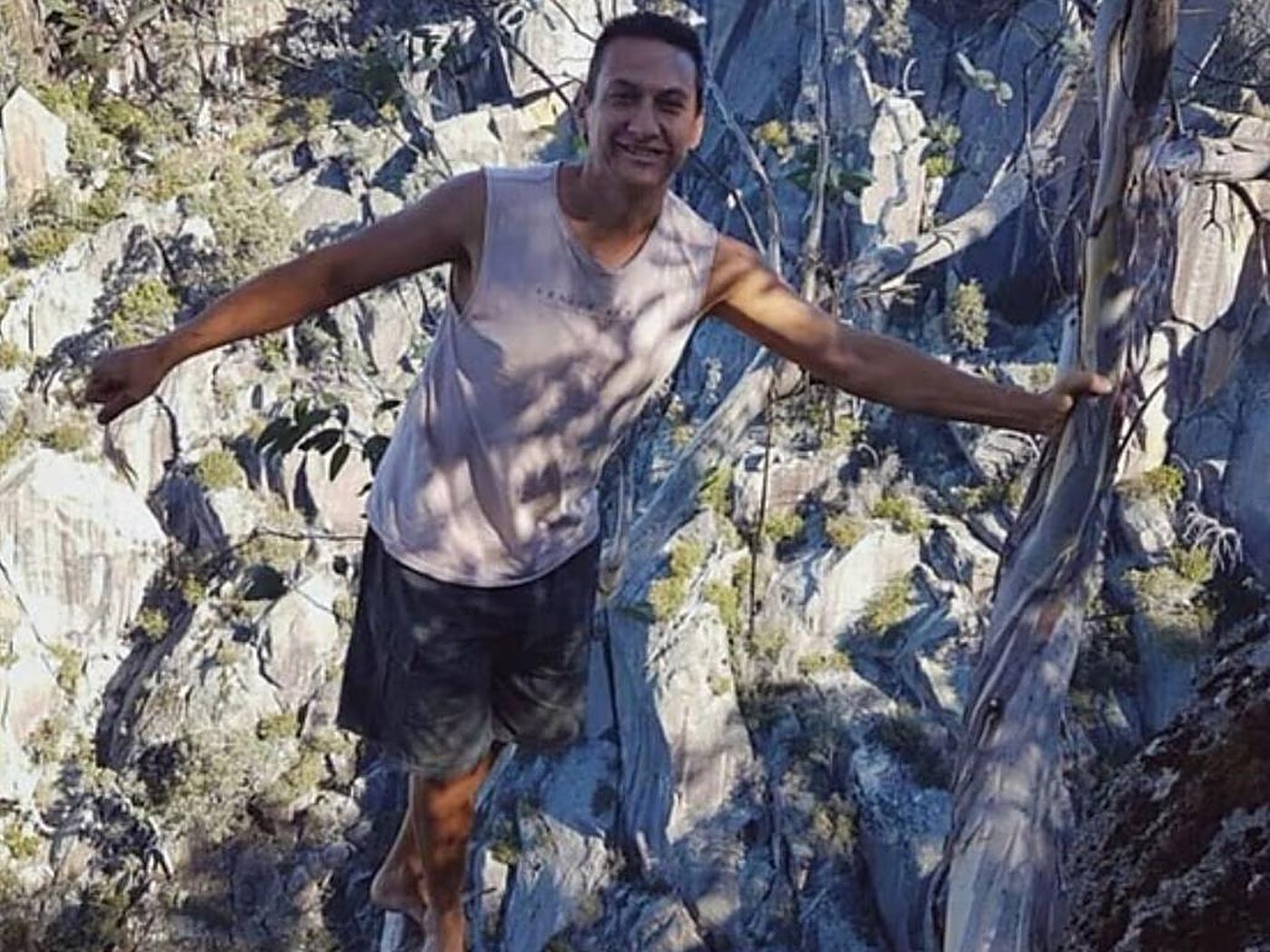
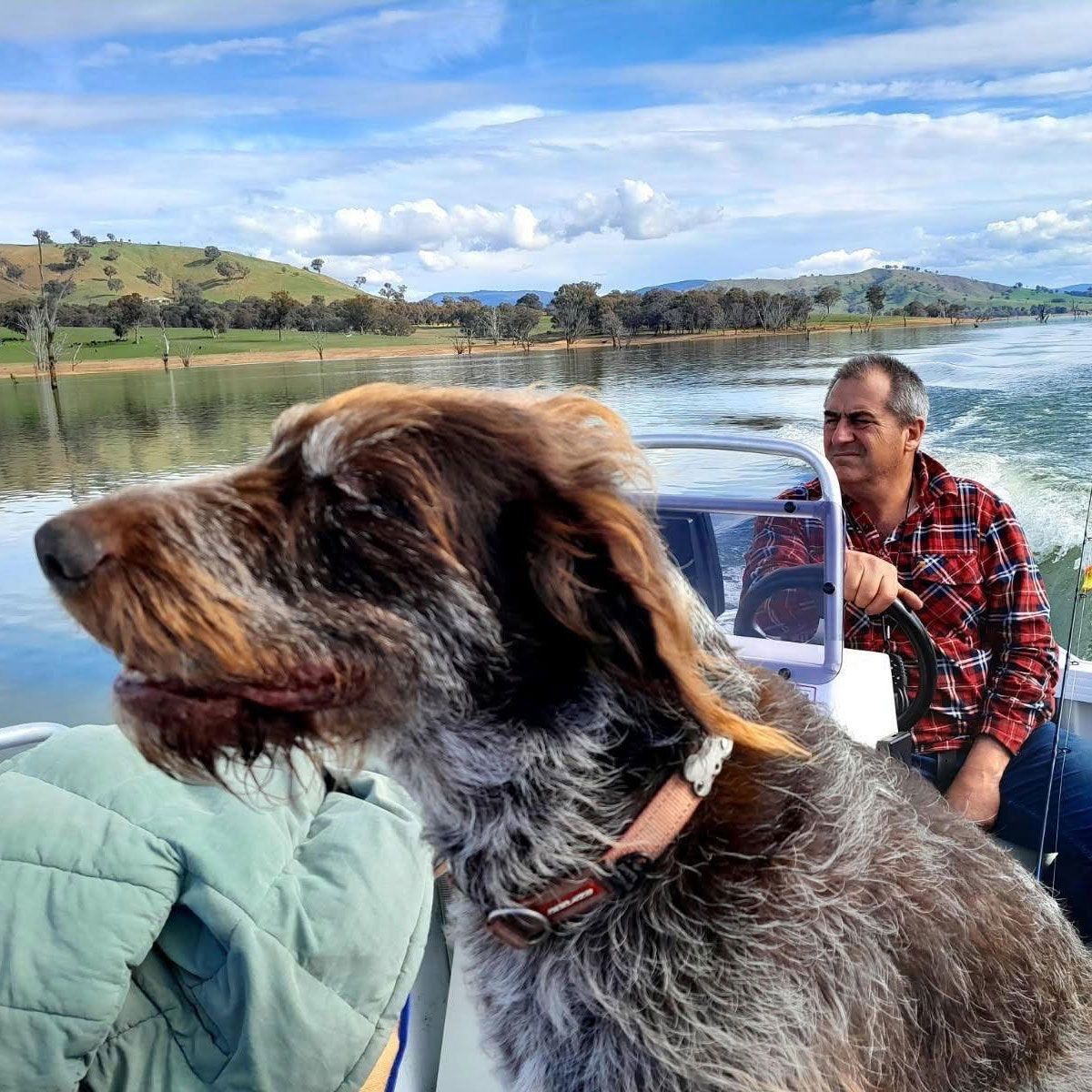
The series gives him neither mythology nor mercy: it gives him the record. A lonely boy who felt hunted. A bushman who photographed rainbows. A father in a bus. And a mind coming apart in full view of the courts, the clinics and the comment sections.
1970
Born Desmond Christopher Filby · Glen Waverley, Melbourne
1977
The family moves to Wodonga, on the Murray · the bush becomes home
1990s
A wildlife photographer who never quite makes a living · the mountains raise him
2004
Filby becomes Freeman · family calls it a fresh start · experts call it a signature
2020
A traffic stop on the Great Alpine Road · he refuses the test · the spiral begins
2020 to 2025
Licence gone · firearms permit revoked · liens, tribunals, a magistrate placed under citizen's arrest
26 Aug 2025
Ten officers · one warrant · one bus

The man Australia hunted through these valleys spent twenty years photographing them. The series holds both facts at once, and refuses to look away from either.

The plateau, his whole life

A self he invented young

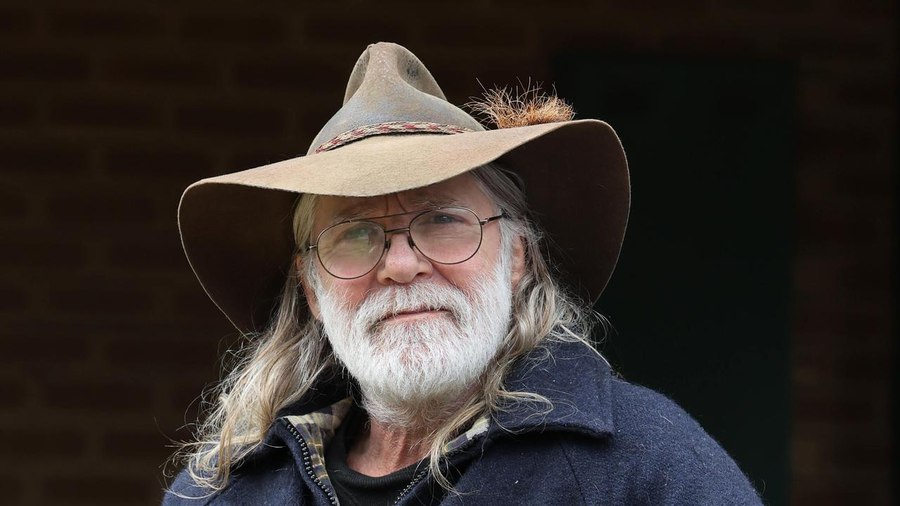
The face on every screen
No folk hero. No bushranger myth. No monster worship. A man, on the record.
The doctrine
A belief system that turns paperwork into a weapon, and then reaches for a real one.
Sovereign-citizen ideology tells its followers the government is illegitimate, the courts are theatre, and every fine is an act of war. It arrived in Australia quietly, then found its moment: lockdowns, isolation, screens, fear.
In December 2022 at Wieambilla, Queensland, believers ambushed a welfare check: two young constables and a neighbour were murdered. Thirty-two months later and 1,900 kilometres away, officers walked up a farm track in Porepunkah.
The series examines the doctrine. It never, ever platforms it.

Years before the manhunt, he was on national television, pleading that the system was against him. Everyone changed the channel.
The world of the series
A valley of orchards, WWOOFers and quiet arrangements.
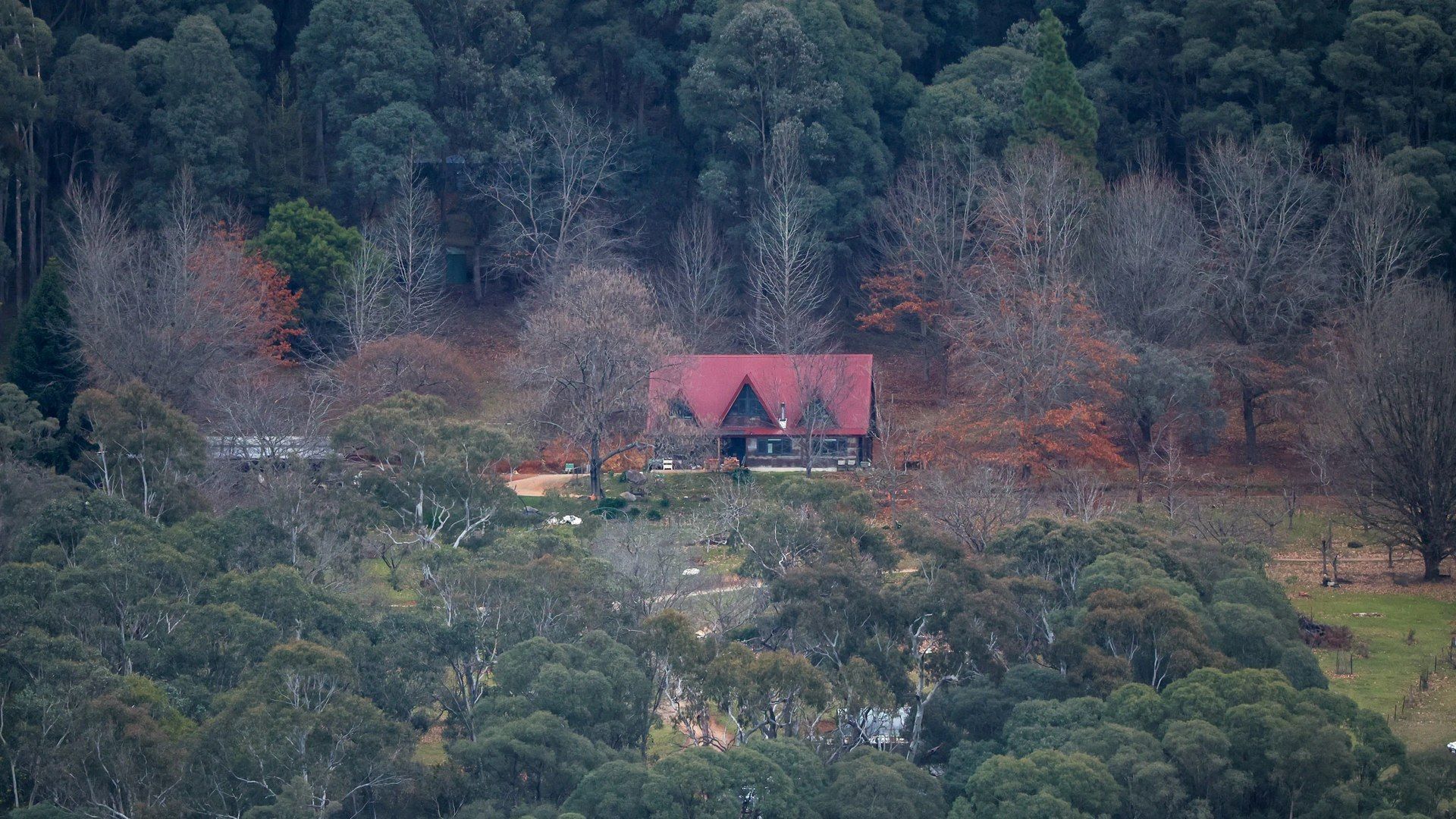
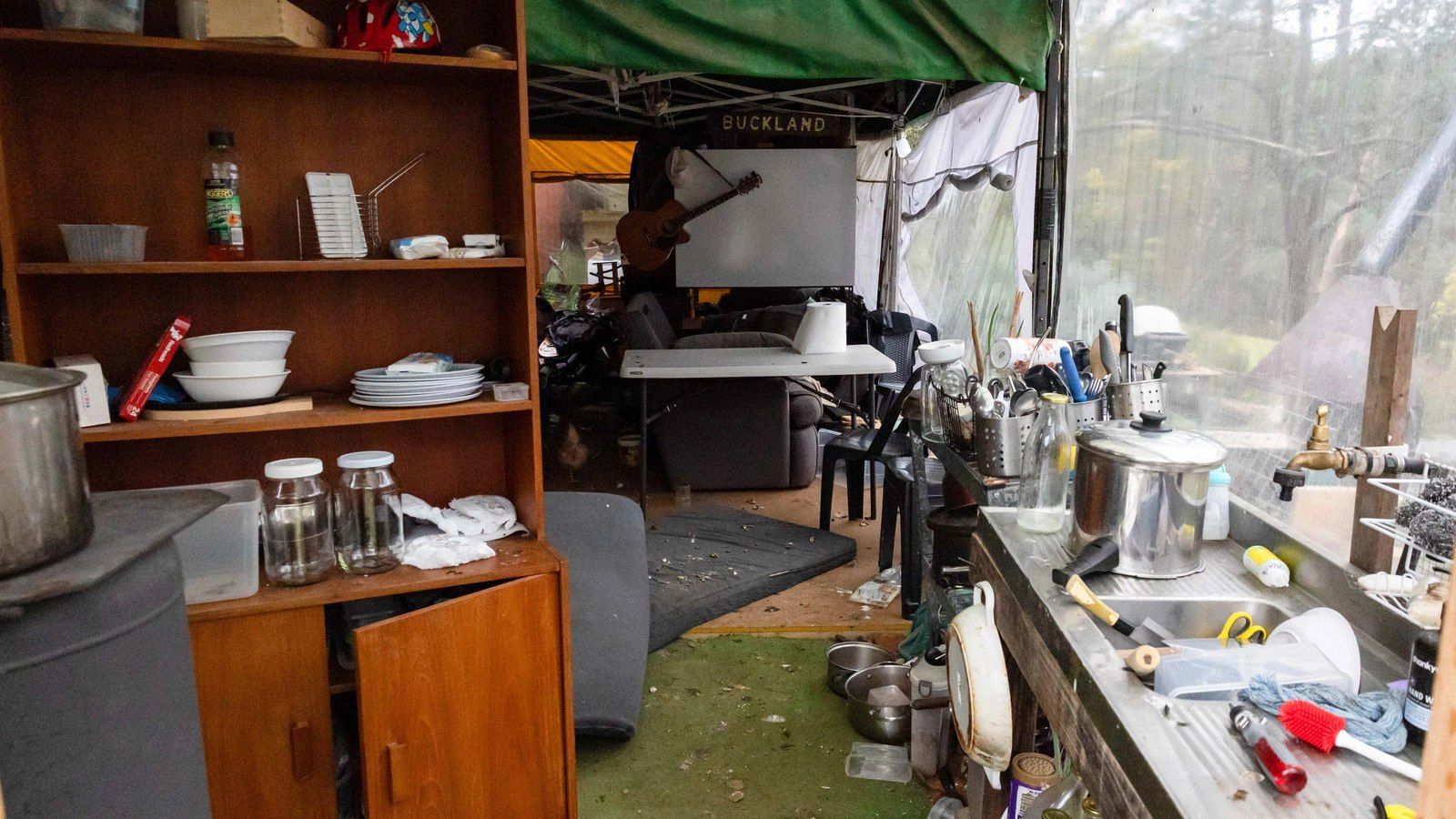
This is not a compound story. It is a farm that took in volunteer workers, the way farms here have since 1981. A couple who gave a struggling family a place to park a bus. A tourist valley under Mount Buffalo where everyone waves on the road. The horror of the series is how ordinary all of it was, right up until the morning it wasn't.


Evidence & timeline · the signature graphic of the series
Two hundred and seventeen days.
The clock stops at 8:30 a.m. The questions start.
The ground · interactive terrain
Time was on his side. So was the ground.
Every place the story touched, in one living relief map: the valley where it began, the plateau that hid him, the fires that moved him, and the container where it ended. Built in the show's own graphics language.
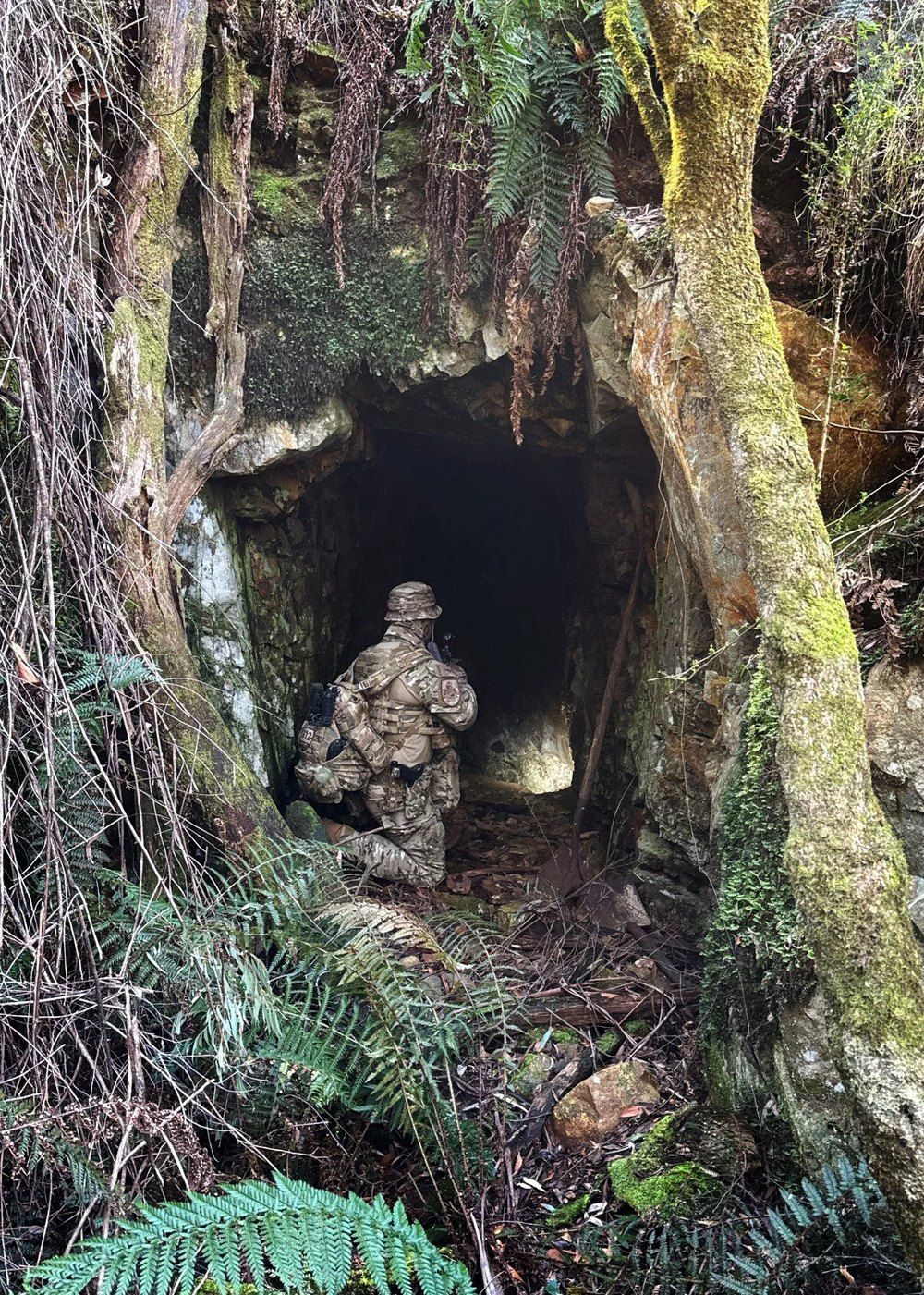
He fled into the one place in Australia built to keep a secret.
The ground · locations per public record
- Porepunkah
Day 1. The warrant, the shots, the tree line.
- Mount Buffalo
His country since boyhood. The park stayed closed for two months.
- Bright
The command post. 1,700 public tips.
- Myrtleford
The rally, the neighbour disputes, the court orders. The years before.
- Goomalibee
Searched in October. Nothing.
- Wodonga
Where he grew up. One hour from where he died.
- Mount Lawson
January 2026. Lightning fires burn 120,000 hectares.
- Thologolong
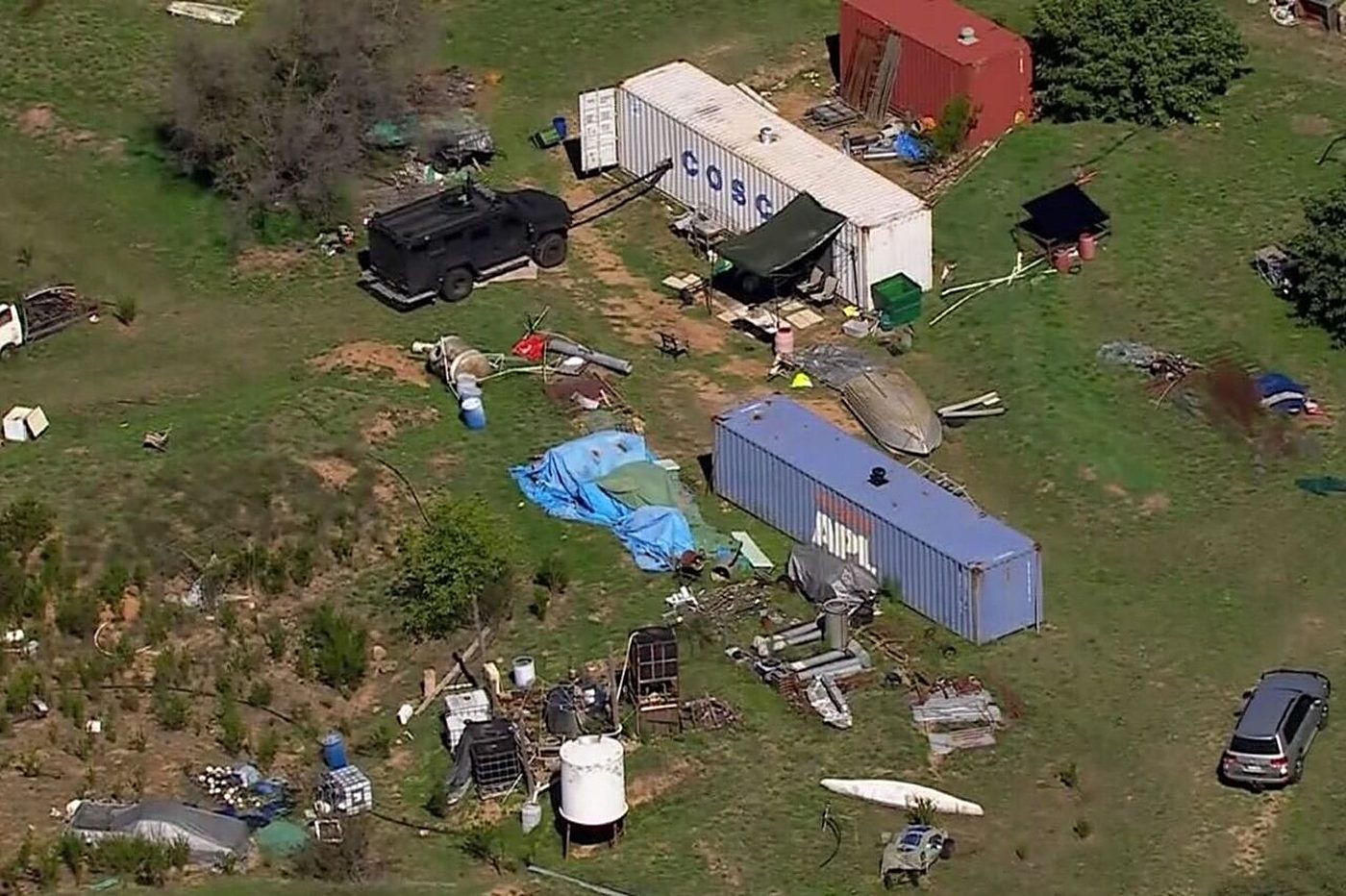
Day 217. A shipping container, one kilometre from the border.
The investigation · the questions
Seven months of searching. Seven questions that survived it.
A pre-raid risk assessment decided no tactical unit was needed, for a man whose fear of police was on file for years. The inquest will ask why.
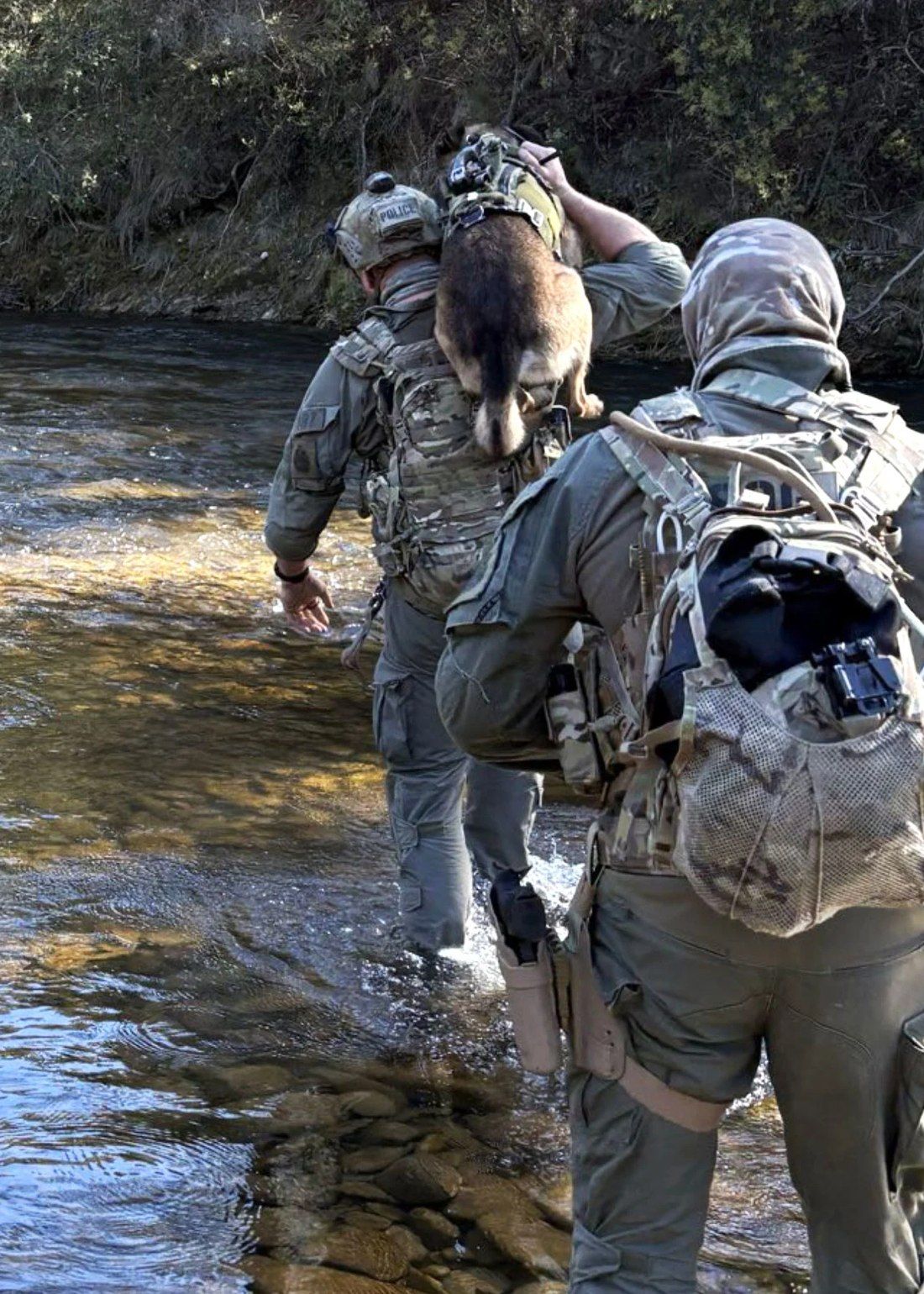
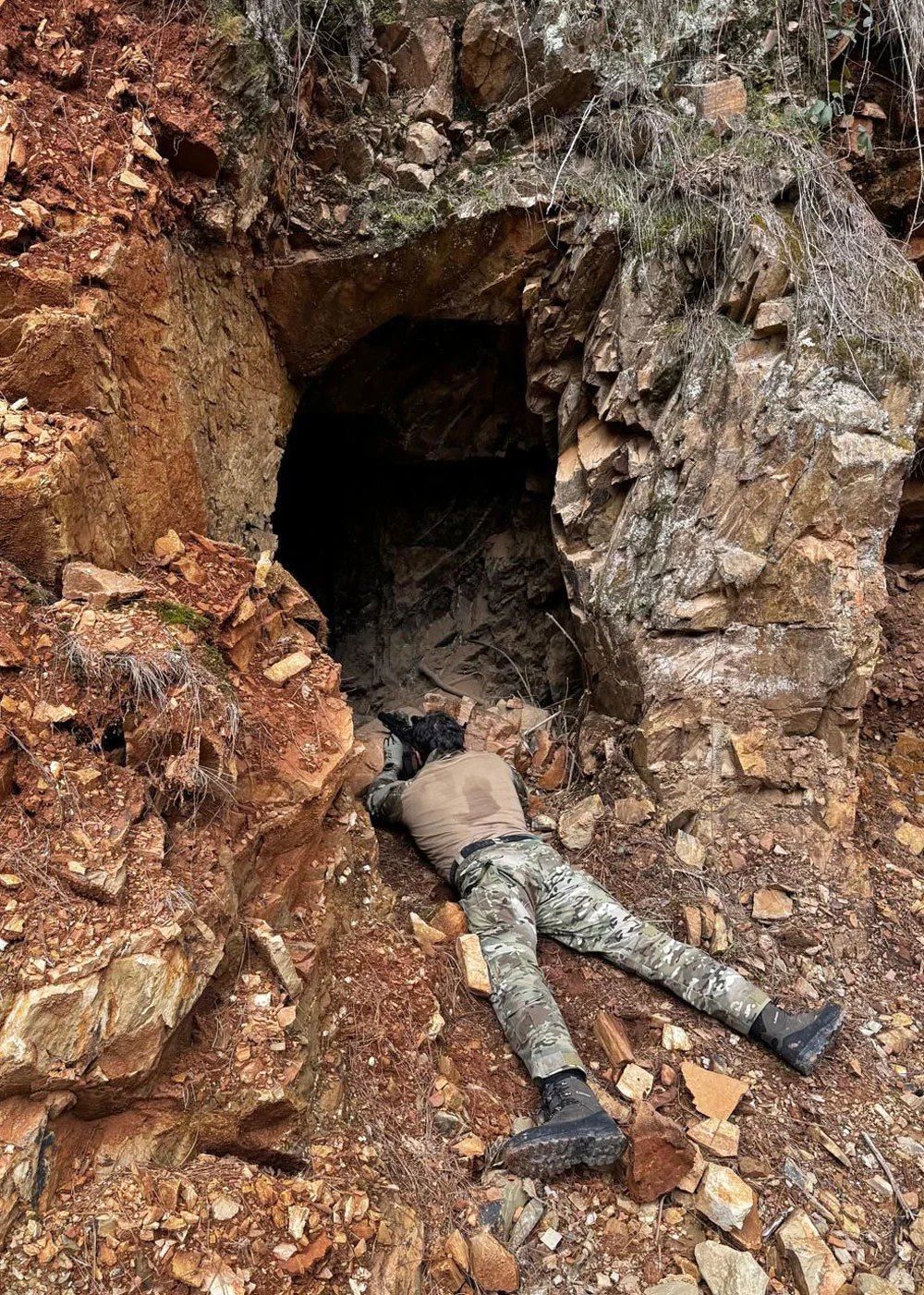
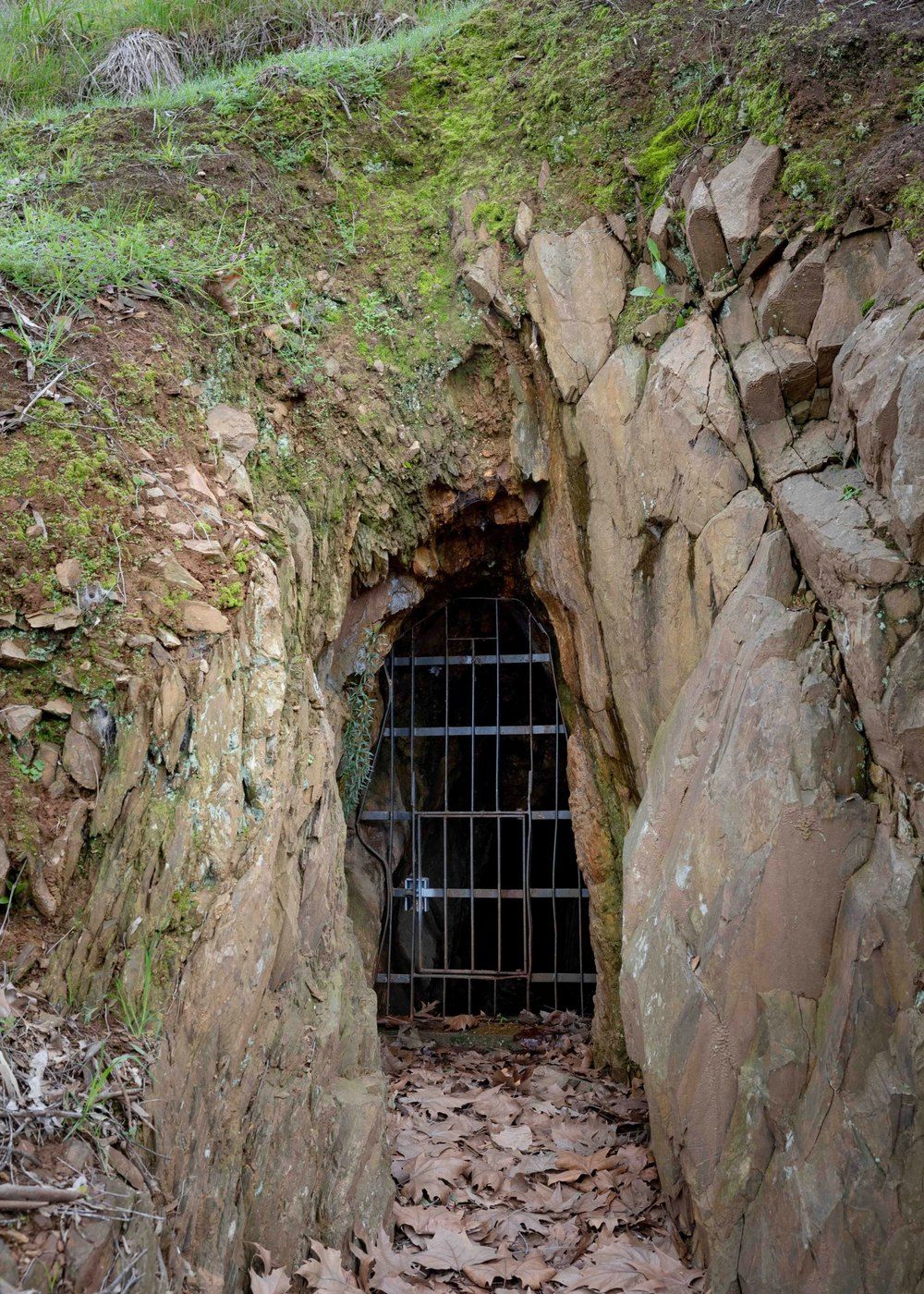
1,700 pieces of intelligence, a command post in Bright, cadaver dogs, caves, mineshafts, ropes into gorges. Nothing.
One gunshot, heard minutes after he vanished. Suicide, warning, or misdirection: the acoustic reconstruction is a set piece of the series.
How does a man survive an alpine winter alone, and surface 150 kilometres away beside a shipping container? Locals ask a harder question: did he do it alone?
Exhibit A · obtained by this production · never made public
There is footage from inside the bus, filmed as the warrant was served.
It does not change what he did. It changes every question about how it was allowed to happen: the twenty minutes of pleading, the state of his mind, and the moment it broke. The series will treat it under legal advice, with the coroner's process and the families' welfare placed first. Buyers will understand: this is the piece of evidence the whole country will be arguing about.
The reckoning
Two inquests. Every minute on the record.
The deaths of the officers, and the death of the man who killed them, are now before the State Coroner. The warrant, the risk assessment, the 217 days, the final three hours at the container: all of it will be examined in public, expected from 2027. This series films in the present tense as that record is written.
The official version
"Today, an evil man is dead. It's over."
The Premier of Victoria · 30 Mar 2026
The version his family lives with
"He wasn't born this. Something built him. And nobody stopped it."
Composite of family testimony · pre-interviews
Between those two sentences sits the entire series.
What the record will show: the warrant, the risk assessment, the final three hours. Nothing asserted before the coroner rules.
The afterlife
A valley trying to give the story back.
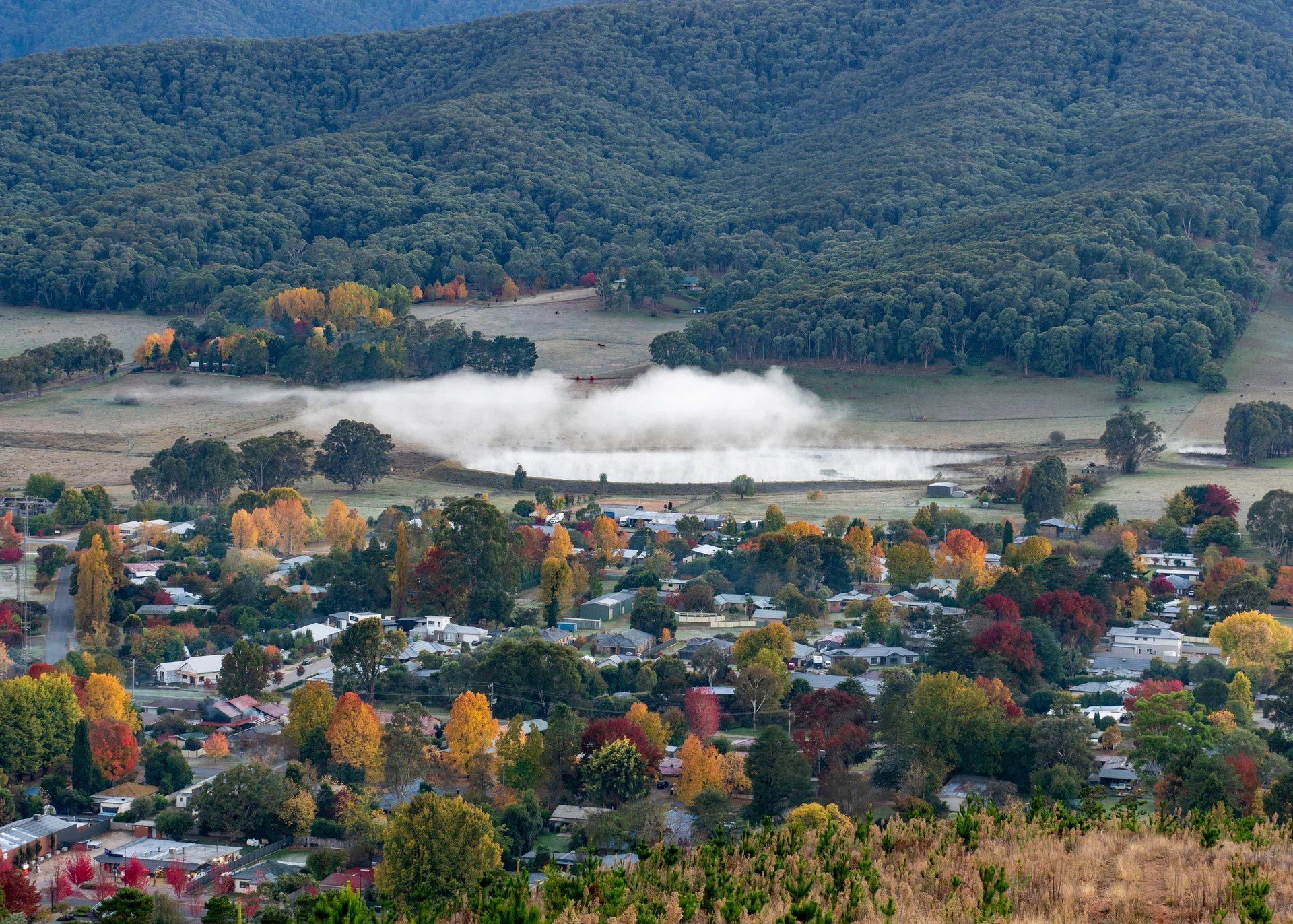
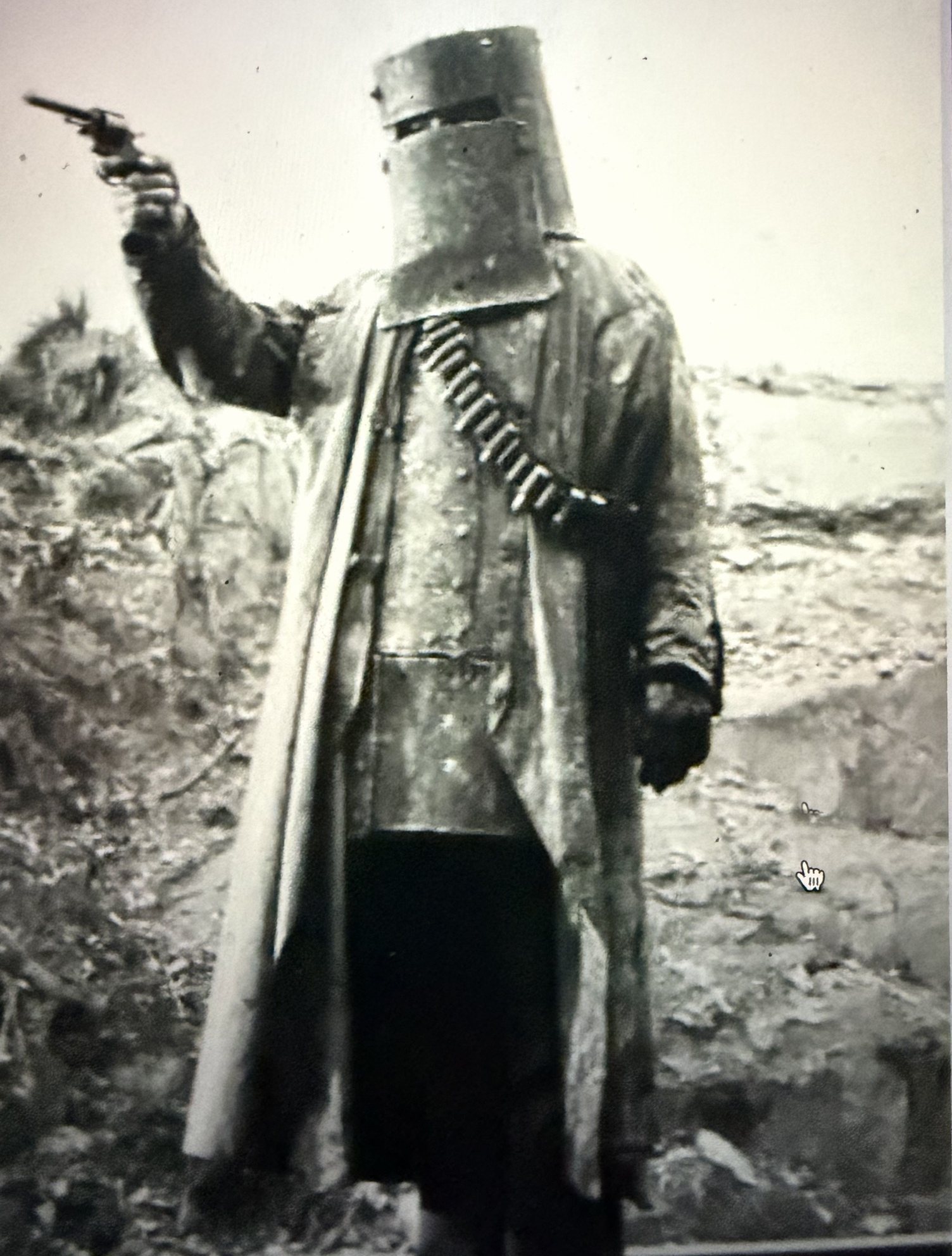
Porepunkah did nothing, and got the sieges, the roadblocks, the empty cafes and the name. Meanwhile the internet built a myth: memes casting Freeman as a modern bushranger, heir to Mad Dog Morgan and Ned Kelly, whose armour fell forty minutes up the road at Glenrowan. Police caution a man for carrying Freeman's face on a placard. This is Kelly country: Australia has been arguing about armed men in this bush for 150 years. The series puts the myth-making itself on camera, and on trial.


The helicopters are gone. What they were circling is still down there.
Episode one
Day One
A cold morning, a routine warrant, and twenty minutes that end with two officers dead and a man walking into the bush. As the largest manhunt in Australian history erupts around Mount Buffalo, the episode asks the question the sirens drown out: who is Dezi Freeman? A farmer who saw it happen, a neighbour who spent years afraid, and a knife-maker raided on Day 6 begin an answer nobody expects.
Episode question
How does an obscure bushman become the most wanted man in the country overnight?
Out on
"He didn't need help. He only needed the bush."
Episode two
The Gathering Storm
While the search grinds through spring, the episode walks back down the years: a doctrine that arrived with the lockdowns, a tribunal that "indicted" a premier, a massacre at Wieambilla that should have been the warning, and the man locals call the puppet master, who wound Dezi up and let him go. The funerals. The million-dollar reward. And in the bush, dozens of calibrated gunshots, fired to reconstruct a single echo.
Episode question
How does a neighbour radicalise in plain sight, with the whole system watching?
Out on
Gunfire, echoing off canyon walls, into empty country.
Episode three
217 Days
A brother opens the family album and a harder question: was Dezi broken, or built? The footage from inside the bus reframes the twenty minutes before the first shot. Then summer: lightning, fire, and a cloaked figure beside a shipping container on the Murray. Three hours of negotiation. Eight rifles. And a valley, a family and a force left holding everything the helicopters never found.
Episode question
When the chase is over, who is still serving the sentence?
Final image
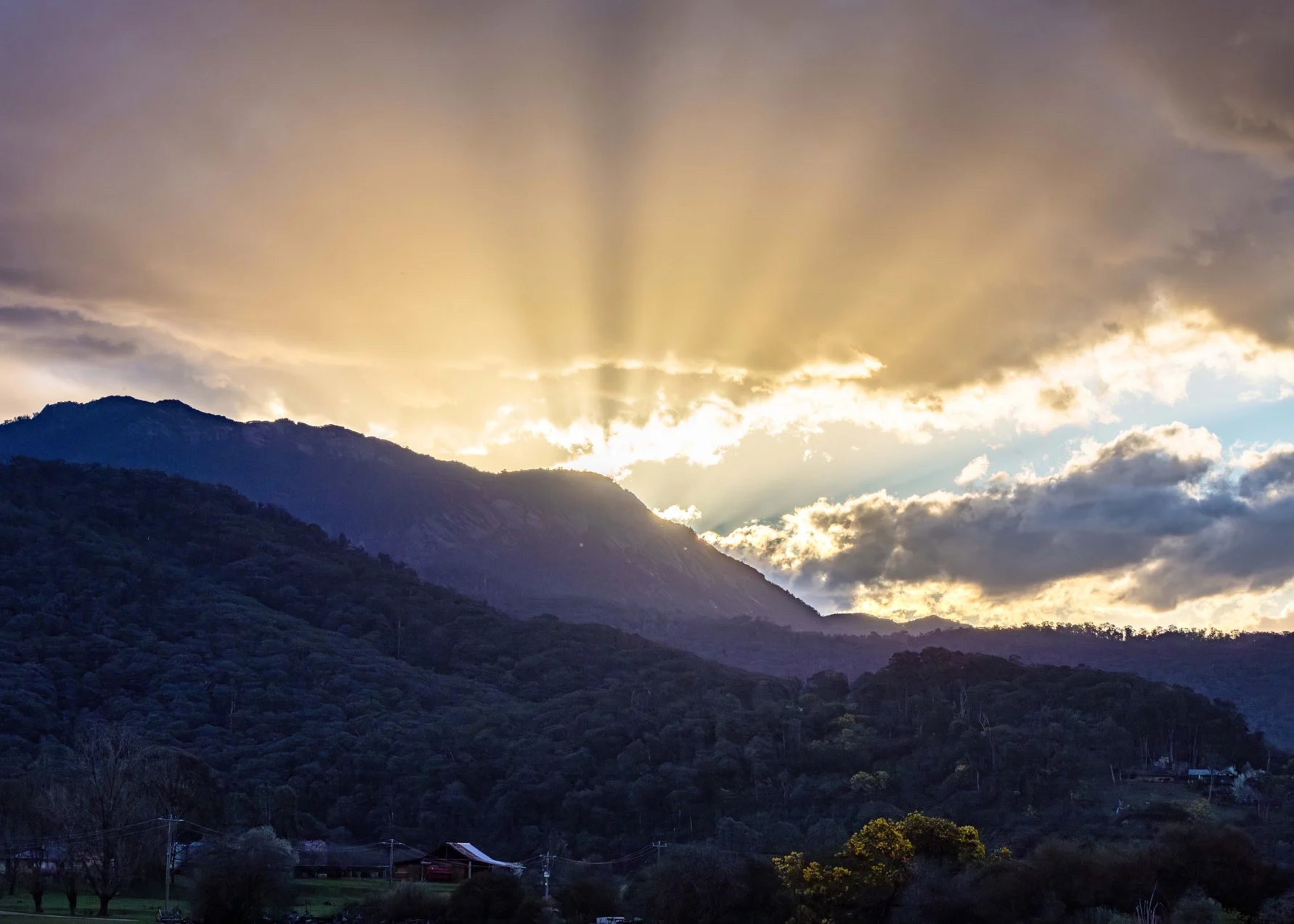
Not the container. Fog on Mount Buffalo, and two lights that stay lit.
The expansion
A developed 6 × 60′ version is available, same spine, deeper chapters:
- Ep 1
The Warrant
- Ep 2
The Man Who Called Himself Free
- Ep 3
The Doctrine
- Ep 4
The Long Winter
- Ep 5
Fire on the Murray
- Ep 6
The Reckoning
Visual language · filming approach
Alpine cold. Ordinary rooms. No re-enacted violence, ever.
Anamorphic photography across the seasons the manhunt actually spanned: winter snowgum, spring searchlines, summer fire, autumn endgame. Vérité with the valley as the inquests unfold. Interviews lit like the kitchens and sheds people actually live in. A deep bench of archive: news, aerials, court audio, body-worn material as released. Violence is never staged. Absence is staged instead: an empty track, a cold gate, a bus with the door open.
CGI & graphics
A living terrain system carries the geography: the relief map you flew through two chapters ago is the show's own cartography, built from the real ranges. A 217-day evidence clock structures every episode. Acoustic-echo visualisation turns one gunshot into a set piece. This deck is built in the series' graphics language: what you are reading is the pilot for how it will look.
Cast · contributors · access & reporting plan
The people who were actually there are already talking to us.
Development access by Last Word Entertainment. Extensive pre-interviews are complete; no contributor is announced until they have consented on their own terms, and none is paid for testimony.
The footage from inside the bus, filmed as the warrant was served
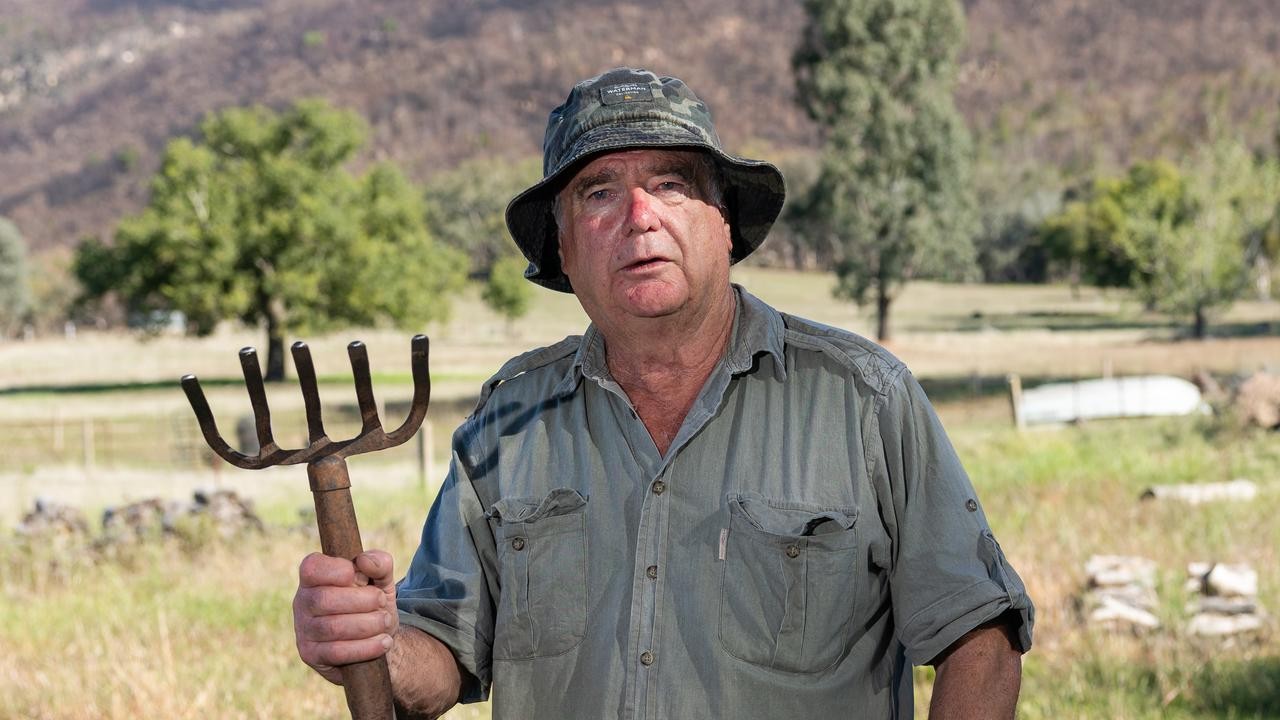
ObtainedAndy & Rebecca Swift, whose farm it happened on; Andy drove the wounded officer to the ambulance
Pre-interviewedJames Filby, Dezi's brother, keeper of the family archive and its hardest questions
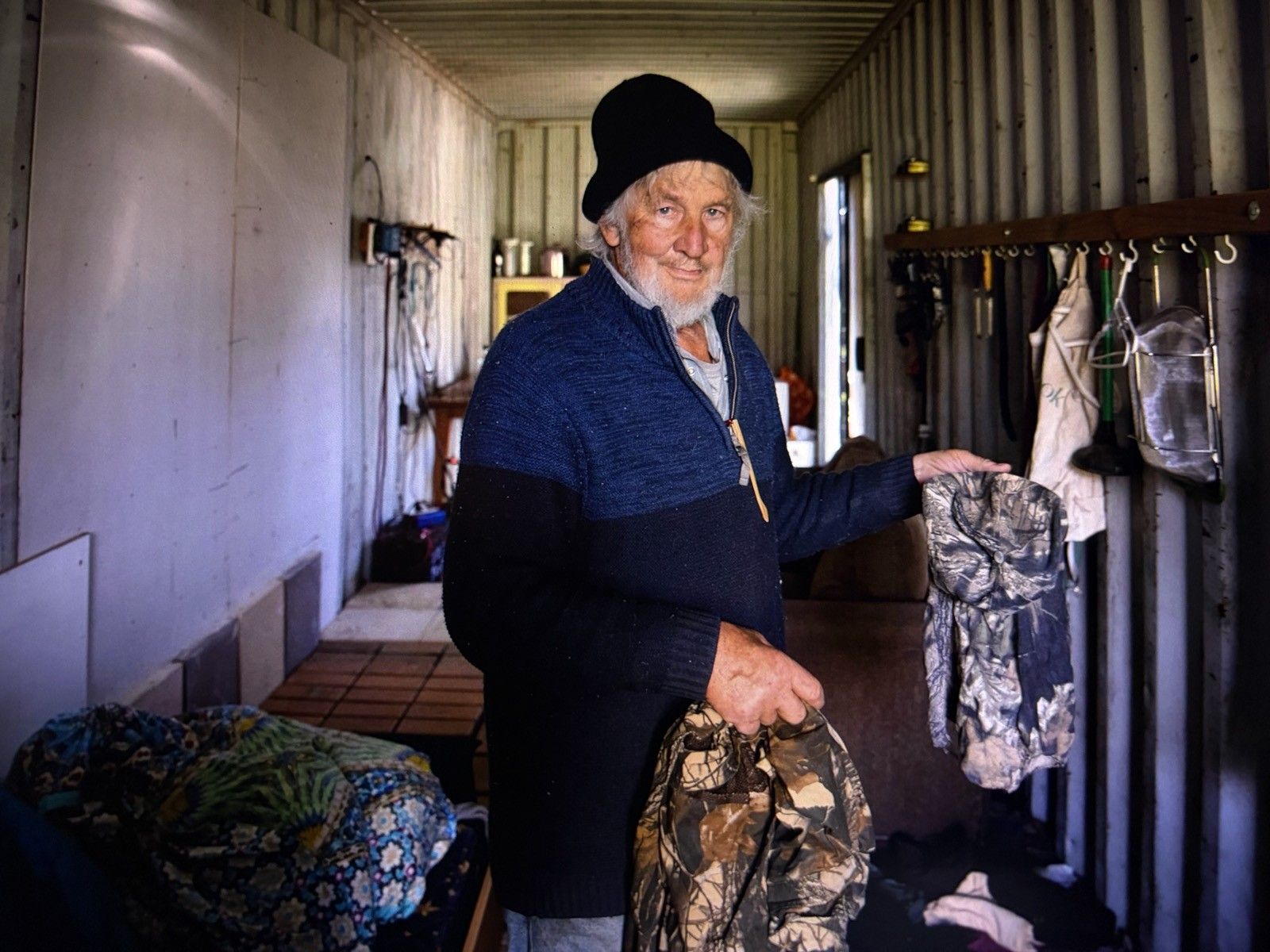
Pre-interviewedA former neighbour who fought him through the courts for two years
Pre-interviewedA Buffalo Creek local who watched the escalation across a decade
Pre-interviewedA knife-maker whose property was raided on Day 6
Pre-interviewedThe man locals call the puppet master, on camera and on the record
Contact establishedExtremism researchers, criminologists and de-radicalisation specialists
In active developmentVictoria Police, the Police Association, searchers and negotiators
Approach plannedThe officers' families and colleagues
Family-first · in their time
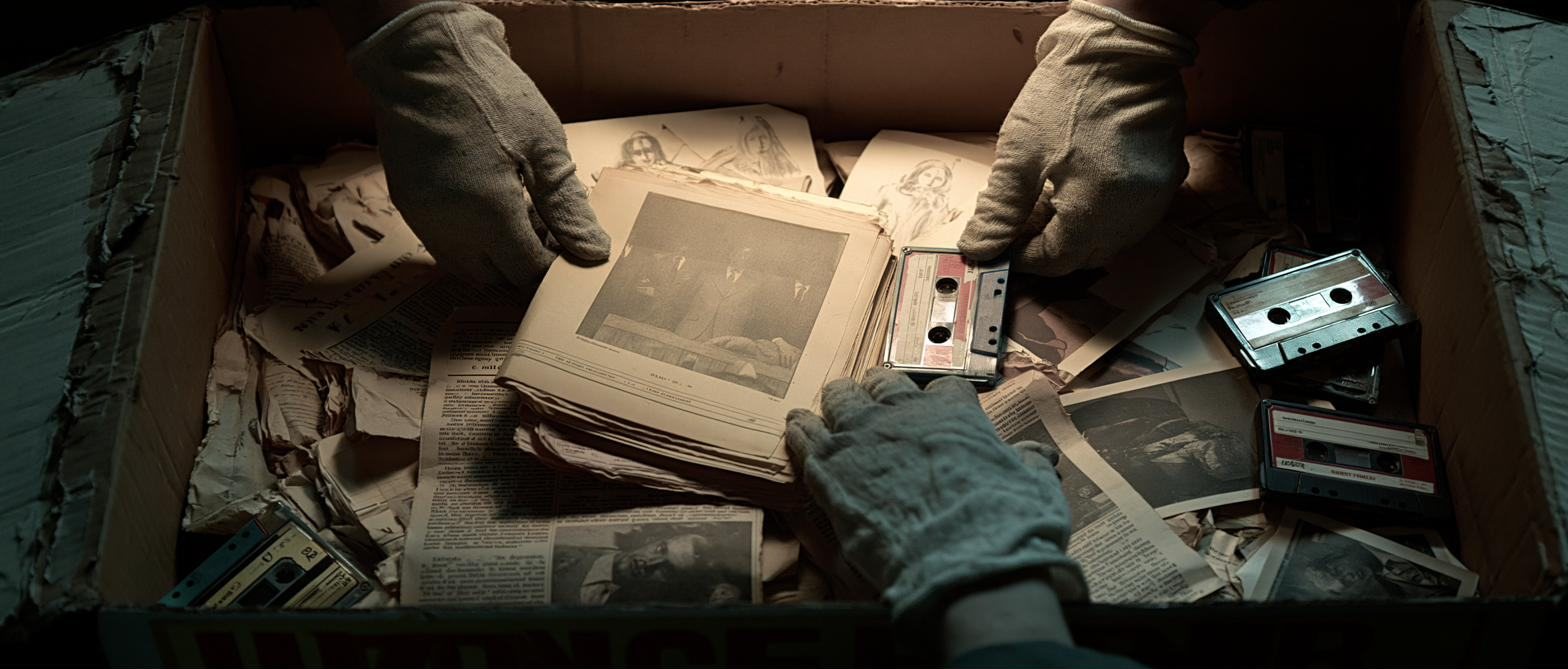
Court files, family albums, chest-camera tapes, seven months of news archive: a record waiting to be read properly.
Sensitivities & duty of care · this case is raw
No chase-porn. No martyr. No monster worship.
- The officers are the victims. The emotional spine belongs to them.
- No re-enactment of the killings. Ever.
- The ideology is examined, never platformed. No slogans as texture.
- His wife and children are not the accused: charges were dropped, and the series says so plainly. No minor is identified.
- Nothing before the coroner is asserted as settled. "Police allege" means police allege.
- The manhunt is context, not spectacle. The bush is not a theme park.
This story is months old, not decades. Two police families are grieving, a wounded officer is recovering, a widow and children are rebuilding, and two coronial inquests are live. Editorial management reflects that: independent legal review including sub judice discipline throughout the coronial process; rigorous fact-checking against the public record; right of reply for all parties including Victoria Police; trauma-informed interviewing by experienced practitioners; contributor welfare protocols before, during and after production; graphic material, including the bus footage, handled under legal and coronial advice with family consultation first. Where the families ask us not to go, we do not go.
Comparable titles
Proven appetite. Unwritten ending.
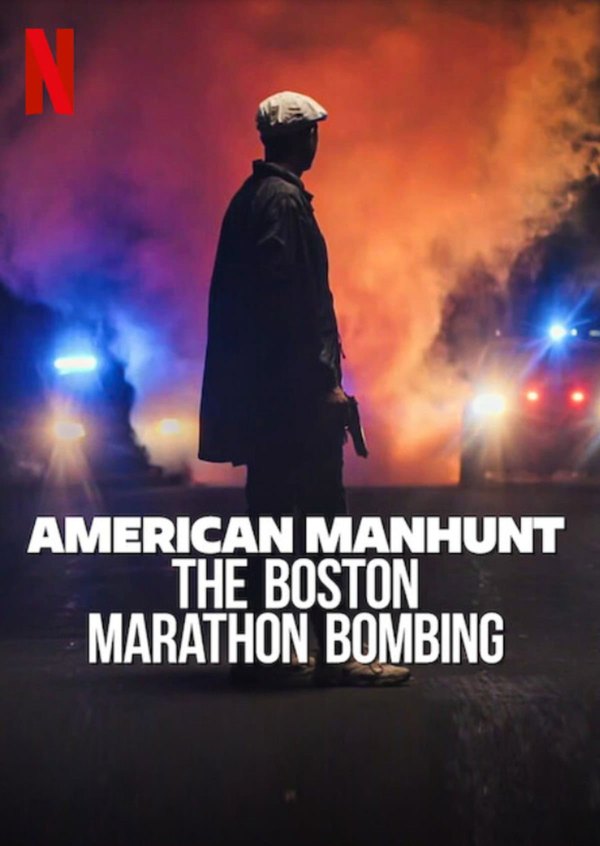
American Manhunt
The anatomy of a nation-stopping search, told from inside it. DEZI brings that scale to a story no one outside Australia has heard end to end, with the ending still being written.
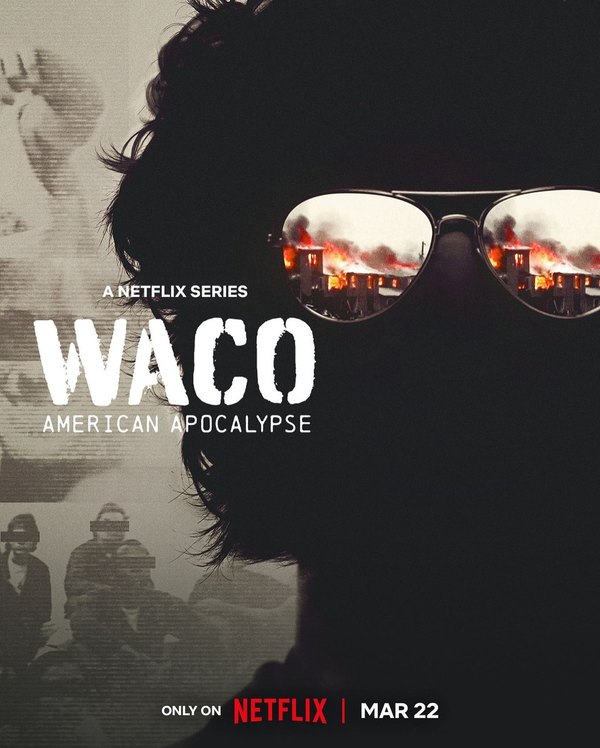
Waco: American Apocalypse
Anti-government belief, a siege, law-enforcement loss and archive that puts you in the room. The closest tonal relative to the Thologolong endgame.
Wind River
The tonal compass: snow country, grief and procedure, tension built from terrain and patience rather than spectacle. That register, brought to documentary.
A national obsession, reopened from the inside: exclusive access, an unseen exhibit, and a coronial ending that lands on the series' own schedule.
Australia remembers the helicopters.
This series remembers Neal Thompson and Vadim De Waart-Hottart.